
Investing
How to Start Investing With $1,000: A Beginner's Guide
What to do with your first $1,000 — and what to skip.
By Marcus Cole10 min read
Beginner-friendly investing guides covering Roth IRAs, 401(k)s, ETFs, index funds, brokerages, and long-term wealth building.
What to do with your first $1,000 — and what to skip.
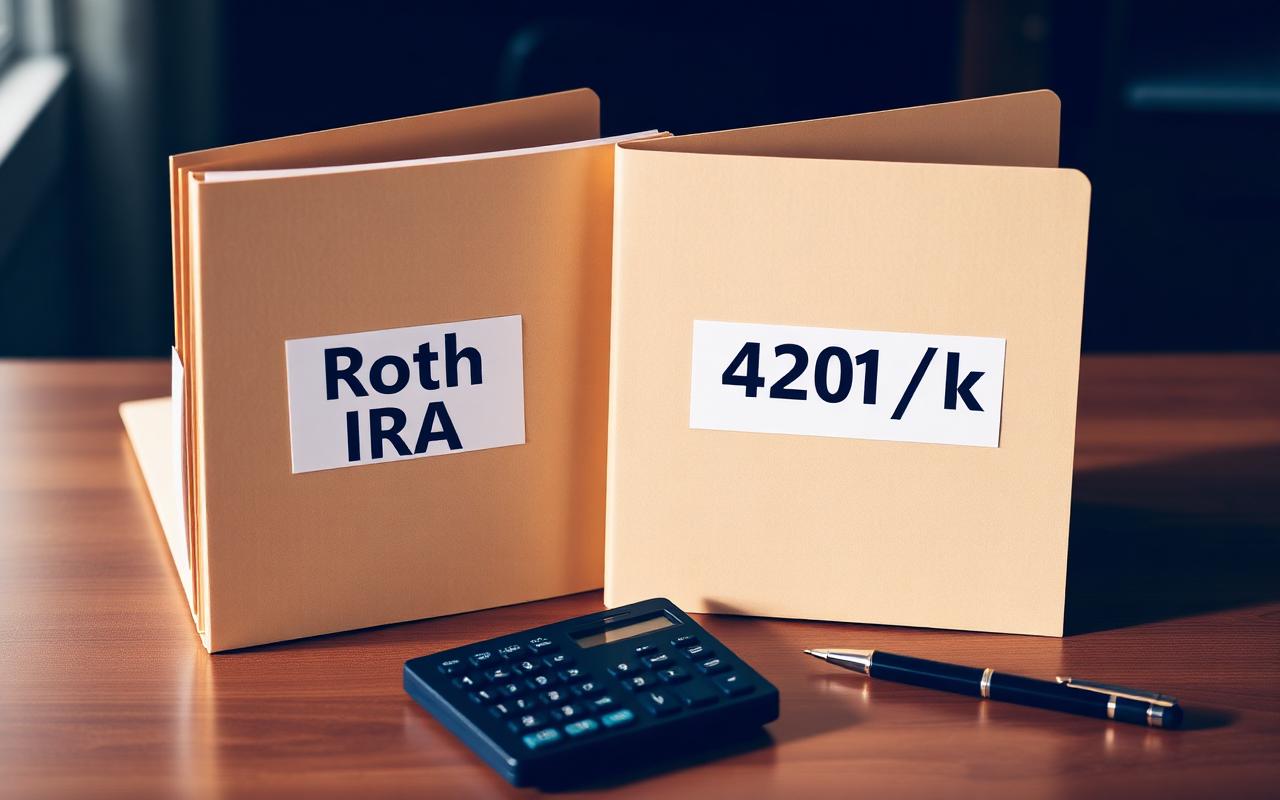
The order most beginners follow when both accounts are on the table.

What to do with your first $1,000 to invest — before you pick a single fund.
Index funds and ETFs are cousins, not twins. Here is what actually separates them.

A Roth IRA is one of the simplest tools young investors have. Here is what it actually is and why starting early matters.

If you can only fund one first, how do you choose? Here is a simple framework.

Savings-by-age rules of thumb sound clean — but they aren't your whole story.
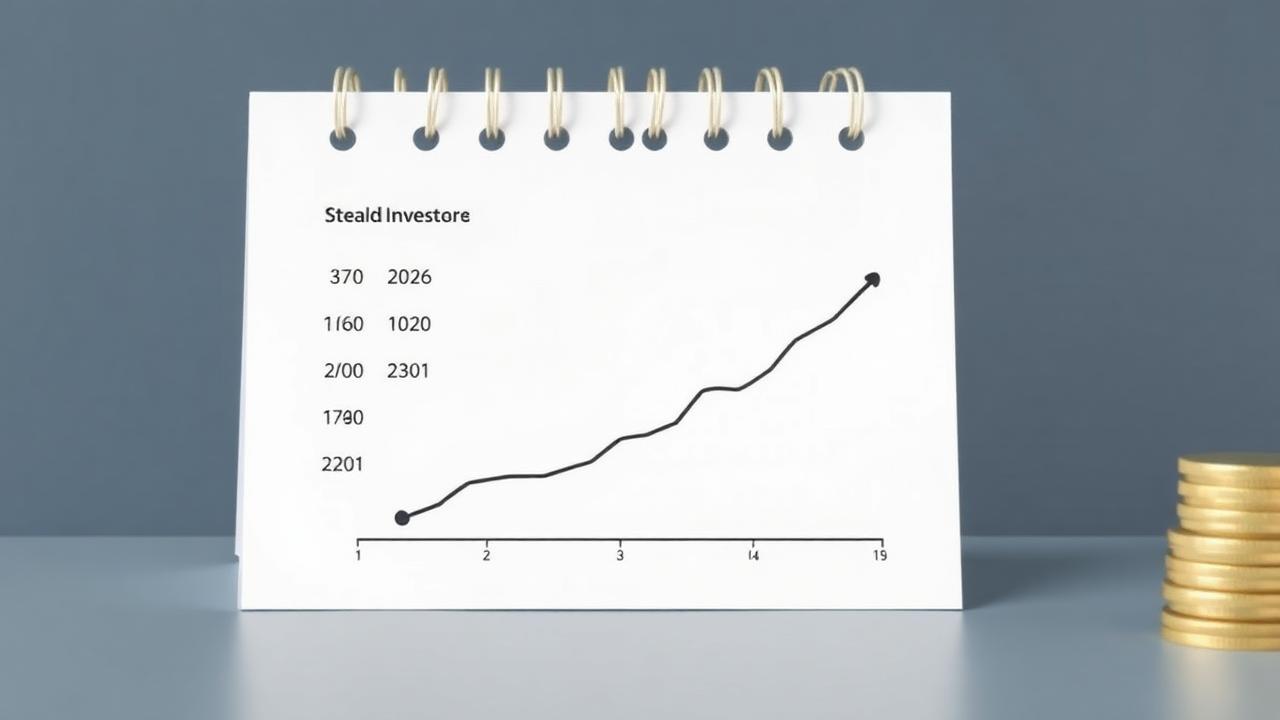
Dollar-cost averaging is less a strategy and more a behavior — and that's why it works.

Three serious beginner-friendly brokerages, compared the way a normal person actually picks.

Compound interest is the closest thing investing has to magic — and it rewards time more than skill.

'No money down' real estate looks magic on TikTok. The reality is more nuanced — and a lot riskier.

REITs let you own a slice of real estate without ever fixing a leaky faucet.

Target date funds are designed for people who don't want a hobby — and that's most of us.

Maxing out a 401(k) sounds intimidating. The path there is more boring — and more doable — than it looks.

When markets fall, the worst damage usually comes from the decisions investors make, not the chart itself.
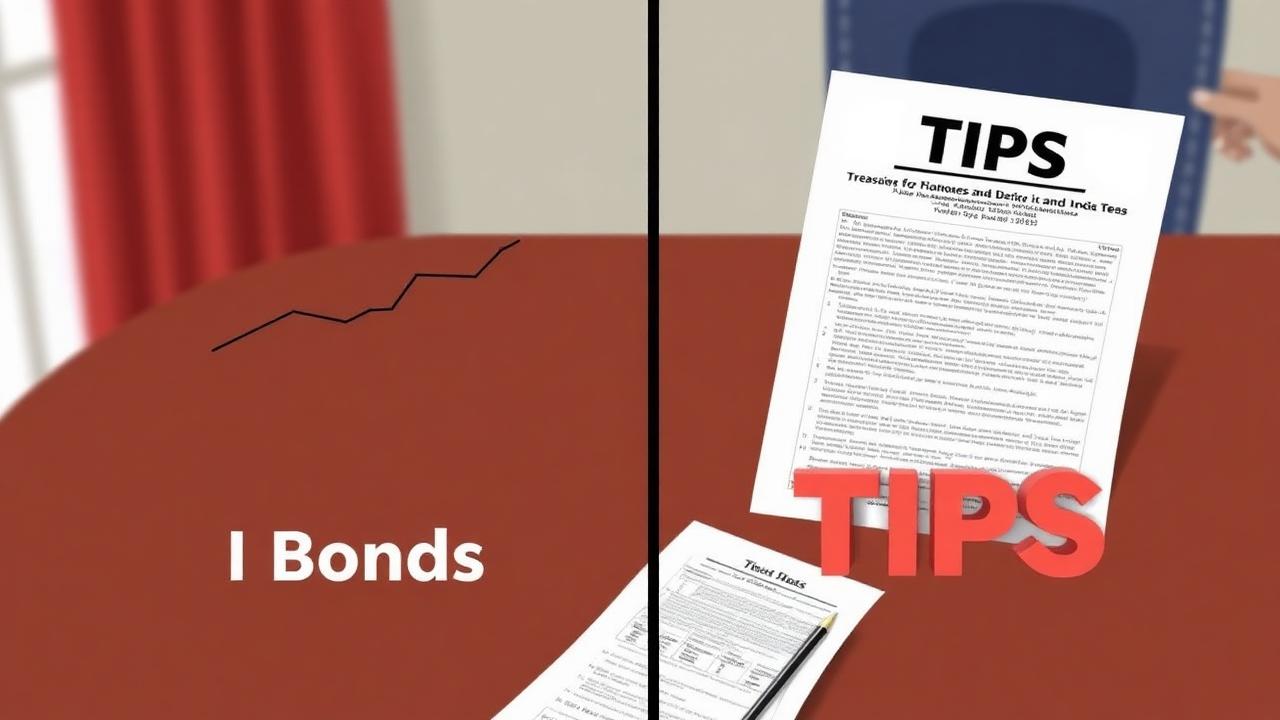
Both I Bonds and TIPS aim to protect your money from inflation — but they work in very different ways.
An HSA can be one of the most tax-efficient accounts in the U.S. — if you actually invest the money inside it.
A beginner-friendly comparison of three of the most talked-about robo-advisors in 2025.