Dollar-Cost Averaging Explained: Why It Beats Trying to Time the Market
 By Marcus Cole7 min read
Updated June 17, 2026
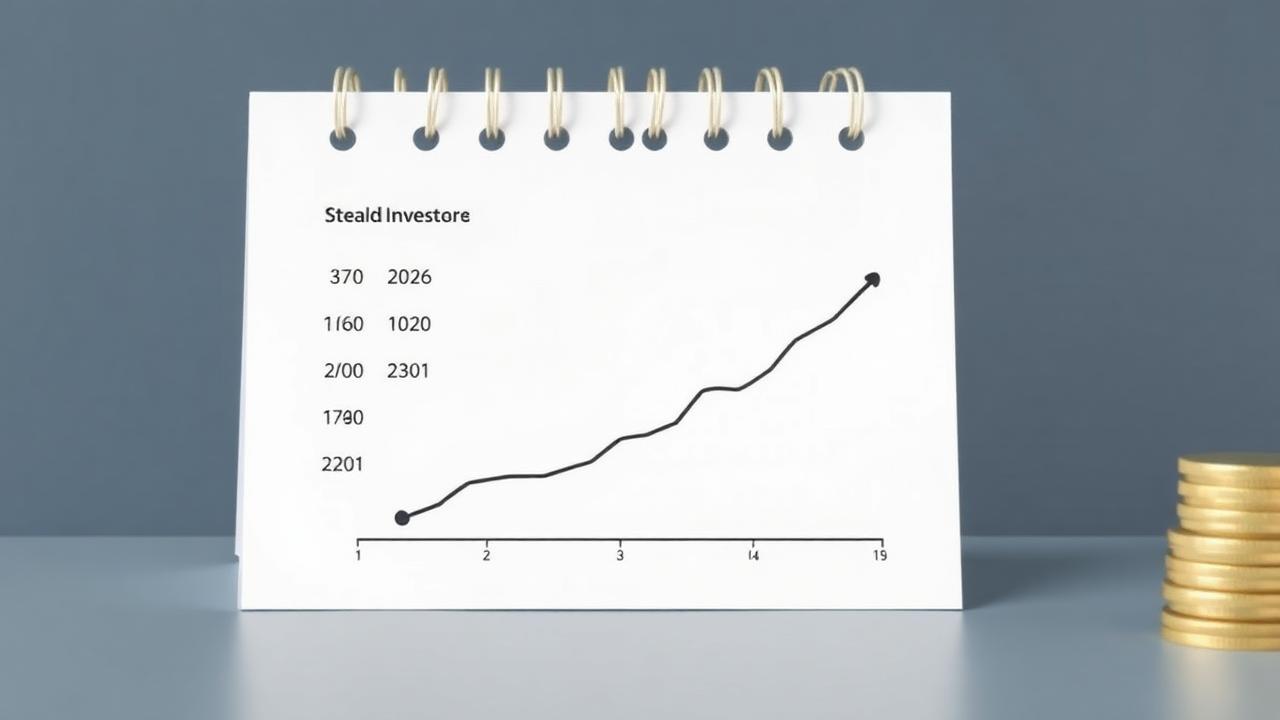
Dollar-cost averaging sounds technical. In practice it is just this: you invest the same amount at regular intervals, no matter what the market is doing. That simple rule protects you from your worst instincts. Nobody taught us this. Let me fix that.
What dollar-cost averaging is
It is the practice of investing a fixed amount on a fixed schedule — say, $200 every two weeks — regardless of whether prices are up or down.
Why it works for behavior
Most investors underperform because they buy when they feel good (markets up) and sell when they feel scared (markets down). DCA removes the decision and keeps you participating.
Why timing the market is hard
Predicting short-term market moves requires getting both the exit and the re-entry right. Missing just a few of the market's best days can meaningfully change long-term outcomes.
Where DCA fits naturally
Workplace retirement contributions are dollar-cost averaging by default. Recurring brokerage transfers extend the same habit to your other accounts.
Key facts
- DCA does not guarantee higher returns than lump-sum investing.
- DCA reduces the influence of emotion on investing decisions.
- Consistency over years matters more than perfect timing.
Step-by-step
1. Pick a realistic monthly amount
Smaller and sustainable beats larger and abandoned.
2. Choose a broad, low-cost investment
Often a diversified index fund or ETF.
3. Set up an automatic recurring transfer
Take your future self out of the decision.
4. Ignore the headlines
Your job is to not stop.
5. Review once or twice a year
Not weekly. Not daily.
Practical example
An investor sets up $250 every two weeks into a broad index fund. Across years of ups, downs, and scary headlines, the habit keeps them invested. The compounding result rarely comes from any single contribution.
Common mistakes to avoid
- Pausing contributions during downturns.
- Trying to 'catch the bottom' instead of buying steadily.
- Switching funds based on recent performance.
- Checking the balance daily and reacting emotionally.
Frequently asked questions
Is DCA always better than investing a lump sum?
Historically, lump-sum investing has often outperformed on average, but DCA reduces regret risk and is easier to stick with for beginners.
How often should I invest?
Whatever cadence matches your paycheck and is automatic — weekly, biweekly, or monthly all work.
Does DCA protect me from losing money?
No. All investing carries risk. DCA helps with behavior, not with eliminating market losses.
Keep reading
Learn investing without the jargon
Explore Marcus's beginner-friendly investing guides — index funds, ETFs, Roth IRAs, and long-term wealth building.
See investing guidesSources:
About Marcus Cole
Marcus is a 34-year-old financial educator who paid off $47,000 in debt and now explains money in plain language. Nobody taught us this. Let me fix that.
Comments
Comments are moderated for quality and safety. Comment section coming soon.