How to Start Investing With $1,000: A Beginner's Guide
 By Marcus Cole10 min read
Updated March 20, 2026

One thousand dollars is more than enough to start investing well. The hard part is not the money — it is choosing the right account before you choose the right fund. Let me show you the order that actually matters.
Pick the right account first
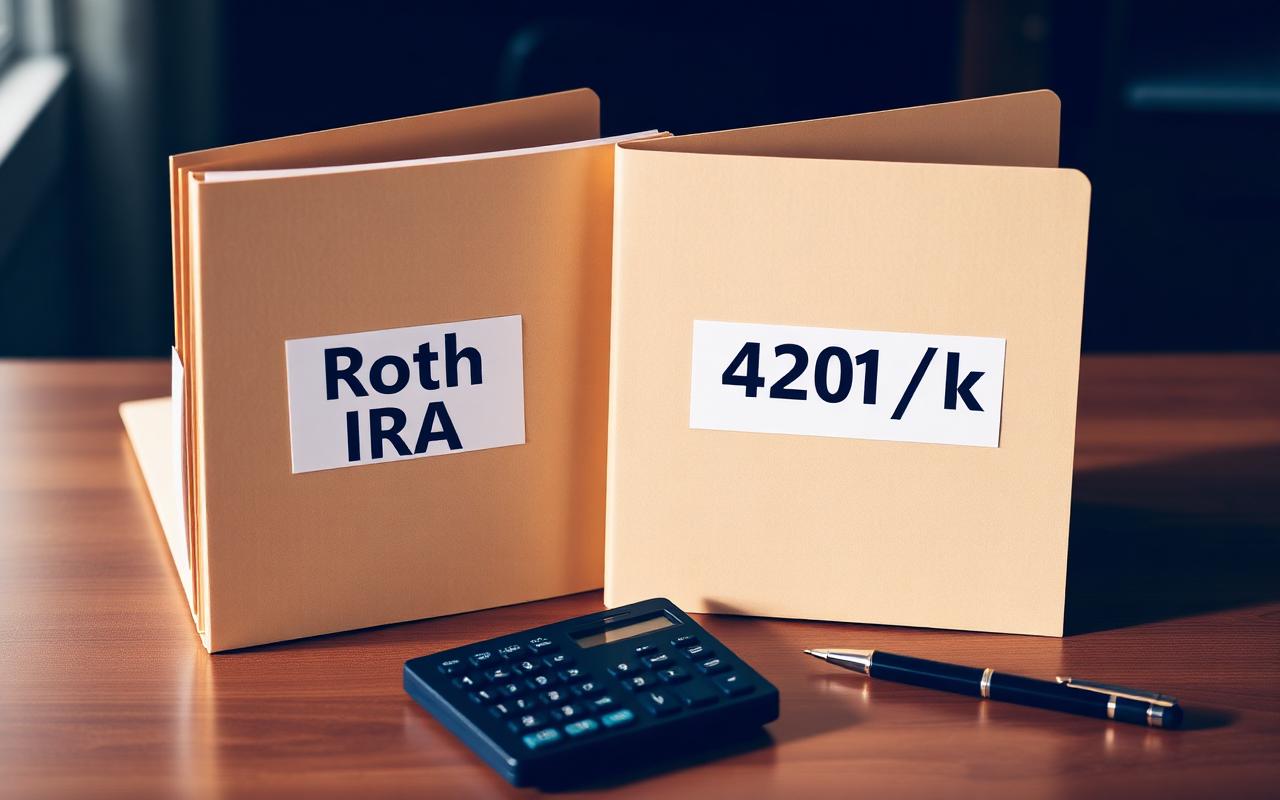
Account type often matters more than the fund at $1,000. A Roth IRA is frequently a great home for your first $1,000 if you have earned income — tax-free growth is hard to beat.
Choose a low-cost broker
Look for $0 trade commissions, no account minimums, and access to broad index funds or ETFs.
Buy a diversified index fund or ETF
A total US market or S&P 500 index fund gives you instant diversification for a tiny expense ratio.
Automate and ignore
Set a small monthly contribution and stop checking daily. Time in the market matters more than timing.
What to skip with $1,000
Individual stock picking, options, leveraged ETFs, and crypto-only portfolios are generally too risky for a starter portfolio.
Key facts
- Roth IRA contributions are made with after-tax dollars and grow tax-free.
- Index fund expense ratios are often under 0.10% per year.
- Long-term US stock market returns have historically averaged in the high single digits annually, but past performance does not guarantee future results.
Step-by-step
1. Confirm you have a small emergency fund and no high-interest debt emergencies
Investing while drowning in 24% APR debt usually loses.
2. Open a Roth IRA at a reputable low-cost broker
If eligible based on income and earned income rules.
3. Fund it with your $1,000
From your checking account.
4. Buy one broad index fund or ETF
Total US market, S&P 500, or a target-date fund.
5. Automate $50–$200/month going forward
Consistency beats lump sums for most beginners.
Practical example
A 28-year-old opens a Roth IRA, invests $1,000 in a total US market index fund with a 0.03% expense ratio, and adds $100/month. Over decades, the combination of low fees and consistent contributions is often more powerful than the first $1,000 itself.
Common mistakes to avoid
- Buying individual stocks before owning any index fund.
- Picking funds based on past 1-year returns.
- Trading frequently and racking up taxes in a regular brokerage account.
- Investing money you will need within 1–2 years.
Frequently asked questions
Should I buy individual stocks?
Most beginners do better starting with broad index funds. Stock picking is a skill, not a default.
Is a Roth IRA always better than a 401(k)?
Not always. If your employer offers a 401(k) match, that match is usually the first dollar you should invest.
Is $1,000 too little to start?
No. Many brokerages now allow fractional share investing with no minimum.
Keep reading
Learn investing without the jargon
Explore Marcus's beginner-friendly investing guides — index funds, ETFs, Roth IRAs, and long-term wealth building.
See investing guidesSources:
- IRS — Roth IRA contribution and income limits
- SEC Investor.gov — Introduction to investing and index funds
- FINRA — Investor education on mutual funds, ETFs, and fees
About Marcus Cole
Marcus is a 34-year-old financial educator who paid off $47,000 in debt and now explains money in plain language. Nobody taught us this. Let me fix that.
Comments
Comments are moderated for quality and safety. Comment section coming soon.