How to Start Investing with $1,000: The Complete Beginner's Guide
 By Marcus Cole10 min read
Updated June 4, 2026

Investing your first $1,000 is more about the order of operations than the specific fund you pick. Most beginner mistakes happen before any money even hits the market. Nobody taught us this. Let me fix that.
Before you invest a dollar
Confirm a small emergency fund exists, high-interest debt is being managed, and you have a basic budget. Investing on top of a 24% credit card balance is mathematically backward for most people.
Choose the right account first
The account matters more than the fund. A retirement account often delivers more after-tax value than the same investment in a regular brokerage.
Workplace retirement plans
If your employer offers a match, contributing at least up to the match is widely considered a strong baseline.
Individual retirement accounts
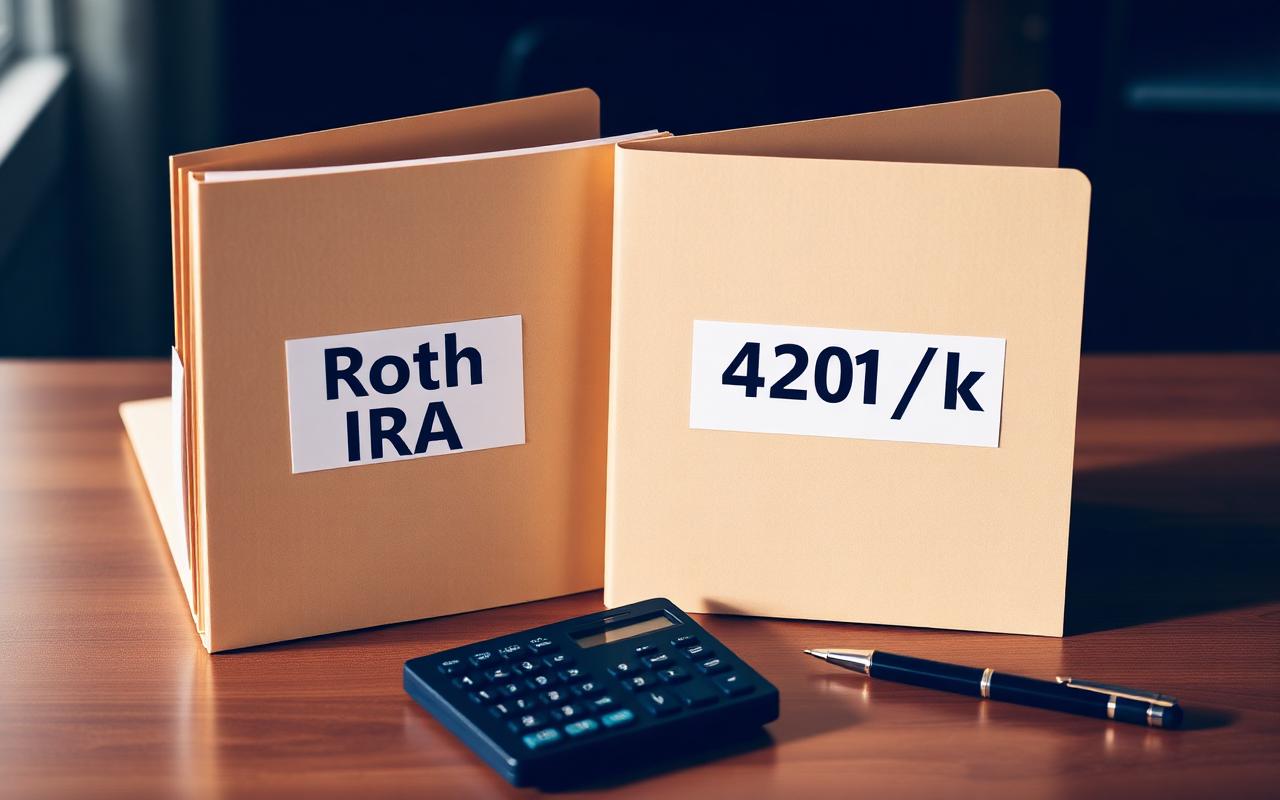
Roth and traditional IRAs each have rules and limits — confirm current details on the IRS website before contributing.
Taxable brokerage accounts
Useful once retirement accounts are funded or for goals beyond retirement.
Beginner-friendly investment types
Broad index funds and ETFs are common starting points. They provide diversification at low cost without requiring you to pick individual stocks.
Understand your risk tolerance
Higher potential returns come with bigger swings. Your $1,000 may be worth $850 next year — or $1,150. If that volatility would push you to sell at a loss, start with a more conservative mix.
Make it boring and consistent
Automate small monthly contributions on top of the initial $1,000. Boring compounding beats brilliant timing for most beginners.
Key facts
- The account type often matters more than the investment.
- Index funds and ETFs offer broad diversification at low cost.
- Automated, consistent investing tends to outperform attempts to time the market.
Step-by-step
1. Confirm a starter emergency fund and high-interest debt plan
Foundation first.
2. Open the right account for your goal
Retirement first if eligible, then brokerage.
3. Pick a broad, low-cost index fund or ETF
Diversification beats stock picking for beginners.
4. Invest the $1,000 in one or two funds
Avoid over-complicating.
5. Automate a small monthly contribution
Even $50 a month builds momentum.
6. Review yearly, not weekly
Long-term investing rewards patience.
Practical example
A simple beginner setup: $1,000 invested in a broad index fund inside a Roth IRA, plus $100 a month automated. Over decades, the consistent monthly contribution typically matters more than the lump sum — though future returns are never guaranteed.
Common mistakes to avoid
- Investing while carrying high-interest credit card debt.
- Picking individual stocks based on social media hype.
- Checking the portfolio daily and panic-selling on dips.
- Skipping an employer match to invest in something fancier.
Frequently asked questions
Is $1,000 enough to start investing?
Yes. Many brokerages accept small initial investments. The habit you build matters more than the starting amount.
Should I invest or pay off debt first?
Usually pay off high-interest debt first while contributing at least enough to capture any employer match.
Are robo-advisors a good option for beginners?
They can simplify portfolio construction and rebalancing. Compare fees and features before choosing.
Keep reading
Learn investing without the jargon
Explore Marcus's beginner-friendly investing guides — index funds, ETFs, Roth IRAs, and long-term wealth building.
See investing guidesSources:
About Marcus Cole
Marcus is a 34-year-old financial educator who paid off $47,000 in debt and now explains money in plain language. Nobody taught us this. Let me fix that.
Comments
Comments are moderated for quality and safety. Comment section coming soon.