Best Robo-Advisors 2025: Betterment vs. Wealthfront vs. Schwab Intelligent
 By Marcus Cole10 min read
Updated July 22, 2026
A robo-advisor builds and manages a diversified portfolio for you, usually for a fraction of what a human advisor charges. The catch: not all robos are built the same. Nobody taught us this. Let me fix that.
What a robo-advisor actually does
A robo-advisor uses software to recommend a portfolio of low-cost funds based on your goals, time horizon, and risk tolerance — then rebalances and reinvests automatically.
How to evaluate any robo-advisor
Instead of obsessing over rankings, look at a few core factors.
Fees
Both the platform fee and the underlying fund expense ratios matter.
Account types
Brokerage, traditional IRA, Roth IRA, and joint accounts aren't always all supported.
Portfolio design
Look at how diversified the portfolio is and how aggressive or conservative options are set up.
Tax features
Some platforms offer features like tax-loss harvesting on taxable accounts.
Beginner experience
Onboarding, education, and support quality matter a lot in year one.
Betterment in plain language
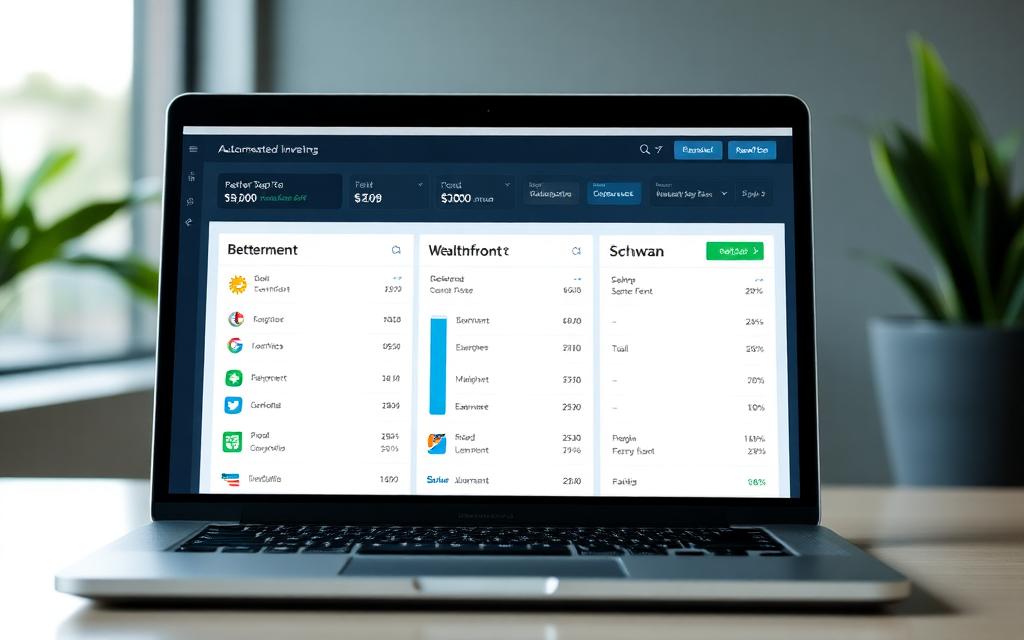
Betterment is often described as a clean, beginner-friendly robo with goal-based planning, multiple portfolio styles, and the option to add human guidance at a higher tier.
Wealthfront in plain language
Wealthfront is known for automation-heavy features, broad portfolio options, and a strong focus on planning tools, including cash management features.
Schwab Intelligent Portfolios in plain language
Schwab's robo is tied to its broader brokerage ecosystem, with no platform advisory fee at the base tier — but it tends to hold a cash allocation in portfolios, which is worth understanding.
How to actually choose
Match the platform to your situation: account types you need, how hands-off you want to be, whether you want human access, and how the fee structure works on your real balance over time.
Key facts
- Robo-advisors automate portfolio construction and rebalancing.
- Fees, account types, and tax features differ across platforms.
- Exact pricing, features, and promotions can change — verify before opening an account.
Step-by-step
1. Define your goal
Retirement, general investing, or short-term goals call for different account types.
2. Compare total cost
Add platform fees and underlying fund costs together, not just one number.
3. Check supported account types
Make sure the robo supports Roth IRAs, joint accounts, or whatever you need.
4. Test the onboarding
Walk through the signup flow before committing real money.
5. Plan for the long term
Switching platforms later can trigger taxable events in non-retirement accounts.
Practical example
A new investor compares three robo-advisors using only fees and account types as filters. She picks the one that supports a Roth IRA, has clear fees, and offers a simple diversified portfolio she can leave alone for years.
Common mistakes to avoid
- Choosing based only on marketing or a single 'best of' list.
- Ignoring fund expense ratios on top of platform fees.
- Opening a taxable account when a Roth IRA would have fit better.
- Switching platforms constantly chasing small fee differences.
Frequently asked questions
Are robo-advisors safe?
Reputable platforms hold assets with regulated custodians, but investments still carry market risk. Read each platform's disclosures.
Is a robo-advisor better than index funds on my own?
Both can work. A robo trades a small fee for automation; DIY index investing trades automation for the lowest possible cost.
Can I move my portfolio later?
Yes, but in taxable accounts that may trigger capital gains. Retirement accounts can usually be transferred without tax.
Keep reading
Learn investing without the jargon
Explore Marcus's beginner-friendly investing guides — index funds, ETFs, Roth IRAs, and long-term wealth building.
See investing guidesSources:
About Marcus Cole
Marcus is a 34-year-old financial educator who paid off $47,000 in debt and now explains money in plain language. Nobody taught us this. Let me fix that.
Comments
Comments are moderated for quality and safety. Comment section coming soon.