Secured vs. Unsecured Credit Cards: Which Is Right for You?
 By Marcus Cole9 min read
Updated September 2, 2026
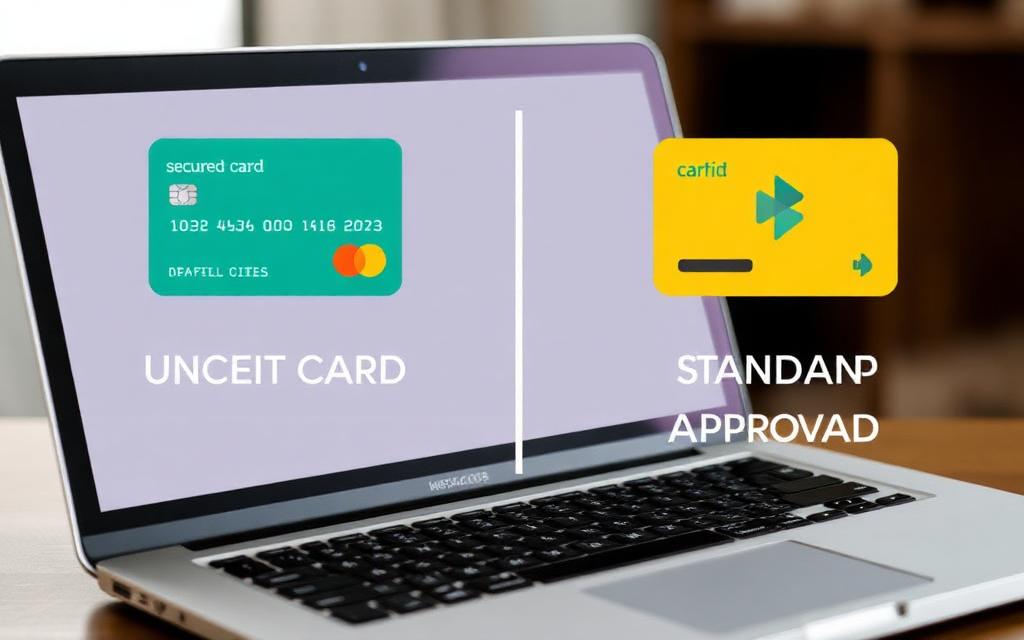
Secured and unsecured credit cards can both build credit, but they're built for very different starting points. Picking the wrong one can waste time or money. Nobody taught us this. Let me fix that.
How a secured card works
A secured card requires a refundable cash deposit that usually becomes your credit limit. The card otherwise functions like any other credit card and typically reports to the major bureaus.
How an unsecured card works
An unsecured card doesn't require a deposit. The issuer extends credit based on your profile — income, credit history, and other factors.
Key differences
The differences go beyond the deposit.
Approval difficulty
Secured cards tend to be more accessible for people with limited or damaged credit.
Fees and interest
Some secured cards have annual fees; many unsecured starter cards do not. Interest rates can be high on both.
Credit-building potential
Both can build credit if used responsibly and reported to the major bureaus.
Upgrade paths
Some issuers will upgrade a secured card to unsecured after consistent on-time use, returning the deposit.
Who each option tends to fit
Secured cards often fit people building or rebuilding credit who have some cash to put up. Unsecured starter cards often fit people who already have some history and a stable income but are early in their credit journey.
What both options share
Either card can hurt your credit if misused — missed payments, high utilization, or charge-offs do damage regardless of card type.
Key facts
- Secured cards require a deposit that usually equals the credit limit.
- Unsecured cards rely on your profile rather than collateral.
- Both can help or hurt your credit depending on how you use them.
Step-by-step
1. Check your starting point
Limited or damaged credit usually points toward secured options.
2. Compare fees first
Avoid cards with high annual or monthly fees.
3. Confirm bureau reporting
Both card types should report to all three major bureaus.
4. Set up autopay
Avoid late payments while you're learning the card.
5. Plan for the upgrade
If you choose secured, look for an issuer with a clear path to unsecured.
Practical example
Someone rebuilding credit opens a low-fee secured card with a modest deposit, uses it for small purchases, and pays the statement balance in full each month. After consistent on-time payments, the issuer upgrades the account to an unsecured card and returns the deposit.
Common mistakes to avoid
- Paying high fees on a secured card just to get approved.
- Treating the deposit as 'spendable' credit.
- Missing payments and damaging the very score you're trying to build.
- Closing the card immediately after upgrading, shortening your credit history.
Frequently asked questions
Is a secured card bad for my credit?
No. A well-managed secured card can be a strong tool for building credit.
When do I get my deposit back?
Typically when you close the account in good standing or upgrade to an unsecured card.
Can I have both at once?
Yes, but each application can affect your score and your overall utilization.
Keep reading
Understand the money system better
Explore more credit and banking guides from Marcus and take control of your score.
More credit guidesSources:
About Marcus Cole
Marcus is a 34-year-old financial educator who paid off $47,000 in debt and now explains money in plain language. Nobody taught us this. Let me fix that.
Comments
Comments are moderated for quality and safety. Comment section coming soon.