Best Credit Cards for Building Credit in 2025: No Annual Fee Options
 By Marcus Cole10 min read
Updated August 19, 2026
Your first credit card sets the tone for years of credit behavior. The goal isn't a glamorous welcome bonus — it's a simple card that helps you build a track record. Nobody taught us this. Let me fix that.
What 'building credit' really means
Building credit means creating a verifiable history of borrowing and repaying. A starter card is one of the most accessible tools for that.
What to look for in a starter card
Focus on a few simple traits.
No annual fee
Annual fees on starter cards can eat into the benefit of building credit.
Reports to all three major bureaus
If it doesn't report, it doesn't help your credit file.
Reasonable credit limit growth
Some issuers review accounts periodically and increase limits with good behavior.
Clear, simple terms
Avoid cards with complicated fees, prepaid structures, or unclear interest.
Secured vs unsecured starter cards
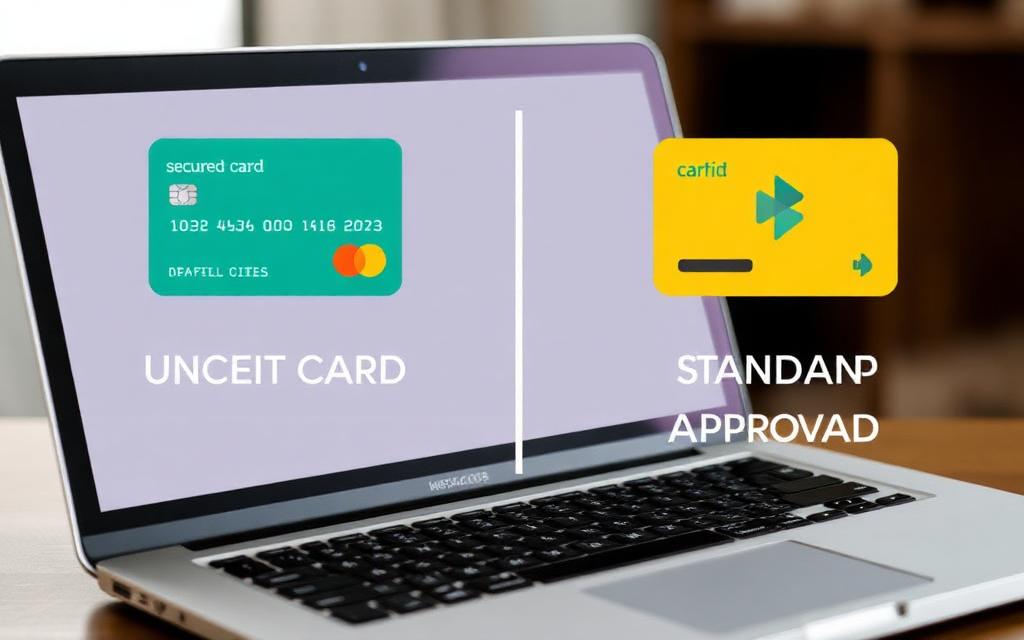
Secured cards require a refundable deposit that usually becomes the credit limit. Unsecured starter cards don't, but typically come with lower limits and higher interest rates.
Traps to avoid
Watch out for high annual or monthly fees, predatory cards aimed at people with bad credit, and cards that don't report to the major bureaus.
How to use any starter card well
Use it for small recurring expenses, pay the statement balance in full, and let time and consistency do the heavy lifting.
Key facts
- Cards that don't report to the bureaus don't build credit.
- Carrying a balance is not required to build a positive payment history.
- Annual fees on starter cards usually aren't worth it.
Step-by-step
1. Decide secured vs unsecured
If you can spare a deposit and have limited history, a secured card may be easier to qualify for.
2. Compare on fees and reporting
Filter out anything with high fees or limited bureau reporting.
3. Apply only when you're likely to qualify
Use prequalification tools where available.
4. Set autopay for the statement balance
Avoid interest and avoid missed payments.
5. Use it lightly
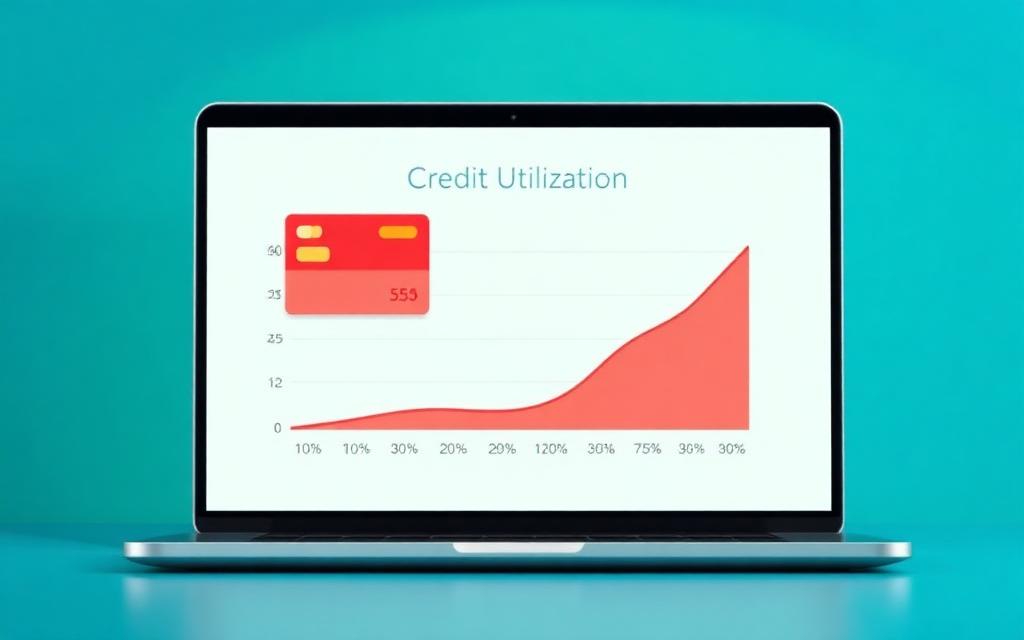
Aim to keep utilization low while still putting real activity on the card.
Practical example
Someone with no credit opens a no-fee secured card with a small deposit, uses it for one or two recurring subscriptions, and sets autopay for the full balance. After consistent on-time payments, the issuer eventually reviews the account and offers an upgrade to an unsecured card.
Common mistakes to avoid
- Chasing rewards before having a profile that supports them.
- Carrying a balance, thinking it 'helps' the score.
- Maxing the card and tanking utilization.
- Closing the starter card too quickly and shortening credit history.
Frequently asked questions
Do I need to carry a balance to build credit?
No. Paying in full each month and avoiding interest still builds positive payment history.
Will my deposit on a secured card come back?
Generally yes — usually when the account is closed in good standing or upgraded to an unsecured card.
How many starter cards should I open?
Usually one is enough to begin. Too many applications at once can hurt your score temporarily.
Keep reading
Understand the money system better
Explore more credit and banking guides from Marcus and take control of your score.
More credit guidesSources:
About Marcus Cole
Marcus is a 34-year-old financial educator who paid off $47,000 in debt and now explains money in plain language. Nobody taught us this. Let me fix that.
Comments
Comments are moderated for quality and safety. Comment section coming soon.