Credit Utilization: The One Number That Moves Your Score the Most
 By Marcus Cole9 min read
Updated August 26, 2026
Two people can have the same income, the same job, and the same on-time payment record — and very different credit scores. Often the difference is utilization. Nobody taught us this. Let me fix that.
What credit utilization is
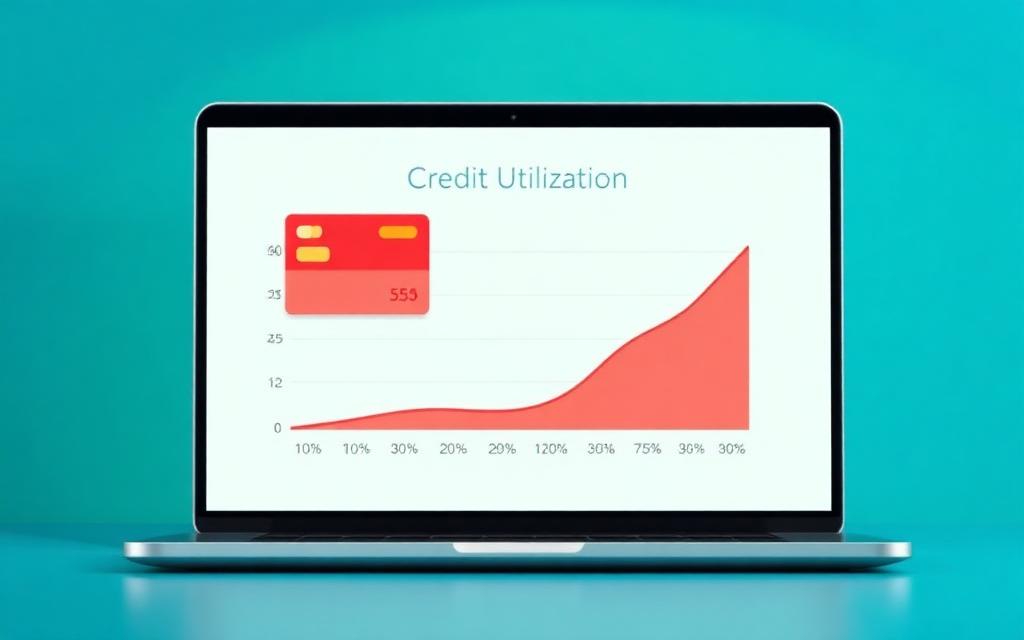
Credit utilization is the share of your available revolving credit you're using at a given time. It's calculated by dividing what you owe by your total credit limit.
Per-card vs overall utilization
Scoring models usually look at both your overall utilization across all revolving accounts and your utilization on each individual card.
Why it carries so much weight
Utilization is widely considered one of the largest factors in most consumer scoring models, second only to payment history for many people.
When the score 'sees' your balance
The balance most scoring models use comes from what's reported on your statement date, not what you carry day to day. That timing matters.
How to bring utilization down
Pay down balances, pay before the statement date, request higher limits if appropriate, and avoid closing old cards unnecessarily.
What not to do
Don't open multiple new cards at once just to drop a percentage. Don't max one card while leaving others empty. Don't treat your limit as spending money.
Key facts
- Utilization compares your balance to your credit limit.
- Scoring usually looks at both overall and per-card utilization.
- The number is typically snapshot-based, tied to statement dates.
Step-by-step
1. Add up your total limits and balances
Calculate your overall utilization percentage.
2. Check utilization on each card
Find any cards that are unusually high.
3. Make a mid-cycle payment
Paying before the statement closes can lower reported utilization.
4. Consider a limit increase
Only if you trust yourself not to spend more.
5. Keep older cards open
Closing cards reduces your total available credit.
Practical example
Someone has a $1,000 balance on a $2,000 limit card — 50 percent utilization on that card. By paying $700 before the statement closes, the reported balance drops to $300, or 15 percent. Score impact often follows in the next update cycle.
Common mistakes to avoid
- Only paying after the statement closes.
- Closing old cards and shrinking total credit.
- Opening new cards in a panic to lower a percentage.
- Confusing utilization with debt — they overlap but aren't the same.
Frequently asked questions
What's a good utilization to aim for?
Many people target low double-digit percentages or lower, though there's no universal magic number.
Does paying twice a month help?
It can, because it lowers the balance reported on the statement date.
Do installment loans count toward utilization?
Utilization is primarily about revolving credit like credit cards.
Keep reading
Understand the money system better
Explore more credit and banking guides from Marcus and take control of your score.
More credit guidesSources:
About Marcus Cole
Marcus is a 34-year-old financial educator who paid off $47,000 in debt and now explains money in plain language. Nobody taught us this. Let me fix that.
Comments
Comments are moderated for quality and safety. Comment section coming soon.