How to Raise Your Credit Score 100 Points in 6 Months
 By Marcus Cole11 min read
Updated July 29, 2026

A 100-point jump in six months isn't a promise — it's a possibility, and only for some starting points. The right habits, done consistently, are what actually move scores. Nobody taught us this. Let me fix that.
Why your score is where it is
Credit scores are built from a handful of factors: payment history, amounts owed, length of credit history, credit mix, and new credit. Improving the biggest levers first usually moves the score fastest.
Check your credit reports first
You can request free copies of your credit reports from the major bureaus. Errors are more common than people think and can quietly hold a score down.
Pay on time, every time
Payment history is one of the largest factors in most scoring models. A single missed payment can do real damage; consistent on-time payments build a stronger profile over time.
Lower your credit utilization
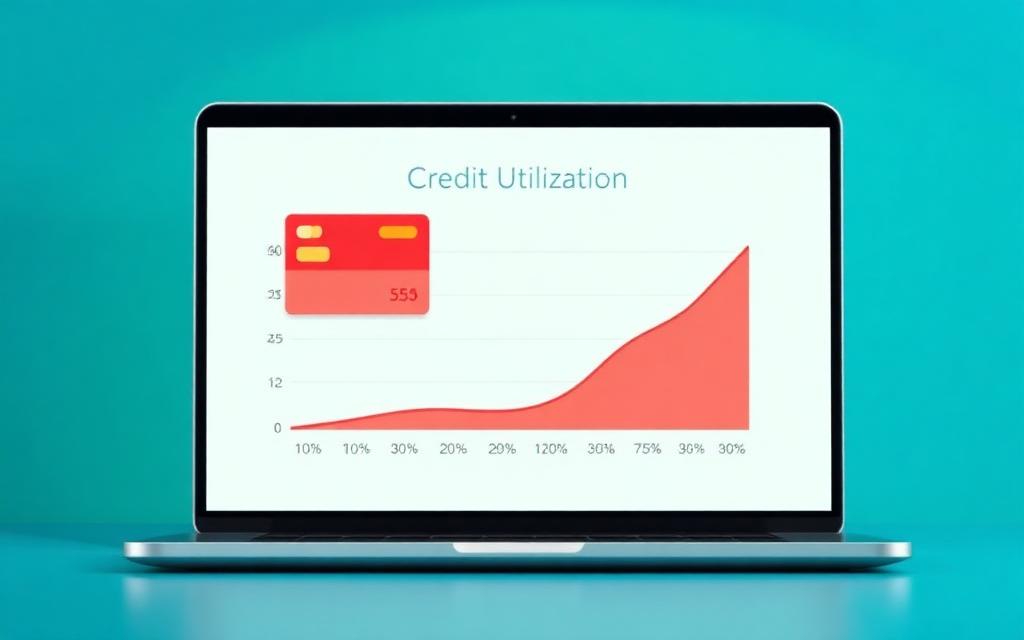
Utilization is the percentage of your credit limit you're using. Lower is generally better. Paying down balances and avoiding maxed-out cards usually helps.
Dispute legitimate errors
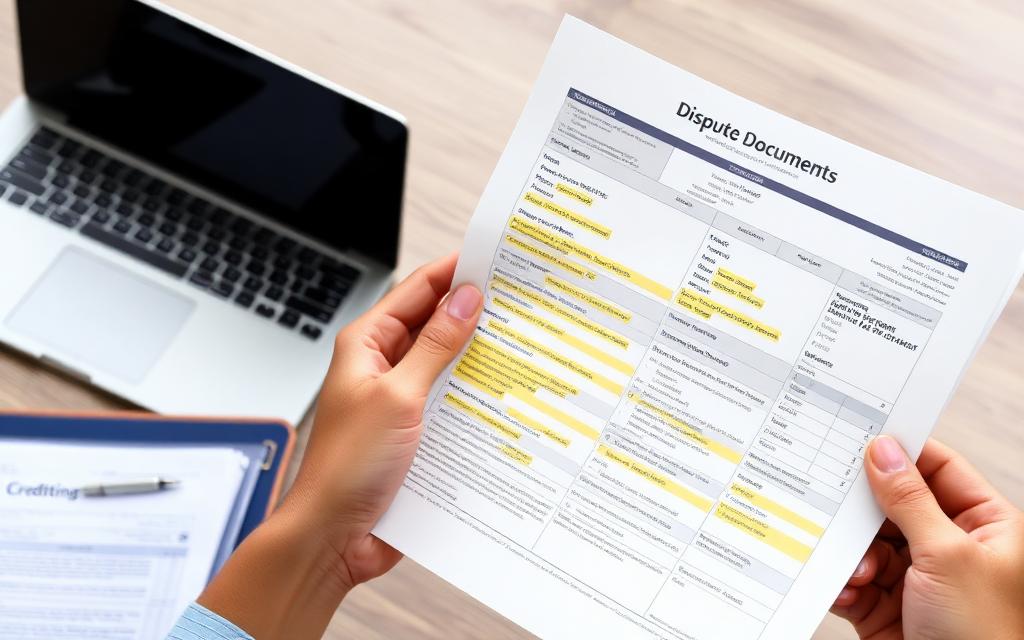
If you find an account that isn't yours, a wrong balance, or an outdated late payment, you can dispute it with the bureau and the original creditor.
Be careful with new applications
Multiple hard inquiries in a short window can pull a score down temporarily. Apply only when you actually need a new account.
Build positive history
Keeping older accounts open in good standing, using credit lightly and paying in full, and avoiding closing your oldest card unnecessarily can all support long-term score growth.
Key facts
- Payment history and utilization are typically the biggest score factors.
- A 100-point jump depends heavily on your starting point.
- There is no scoring shortcut that bypasses on-time payments.
Step-by-step
1. Pull your credit reports
Review all three major bureaus for errors and unfamiliar accounts.
2. Set every account to autopay the minimum
Prevent missed payments while you work on paying more.
3. Bring utilization down
Aim to keep balances well below your limits, especially before statement dates.
4. Dispute clear errors in writing
Use the bureau's official dispute process and keep records.
5. Avoid unnecessary new accounts
Each application can create a temporary dip from a hard inquiry.
6. Be patient
Many positive changes take one to several billing cycles to show up.
Practical example
Someone starting in the low 600s with one collection, high utilization, and a missed payment in the past year disputes a real error, gets balances under control, and stays current. Over six months, the score climbs meaningfully — though not in a straight line.
Common mistakes to avoid
- Closing the oldest credit card and shortening credit history.
- Applying for several cards at once chasing rewards.
- Ignoring small medical or utility collections.
- Using credit repair services that promise guaranteed jumps.
Frequently asked questions
How long does it take to raise a credit score?
It varies. Some changes show up in a billing cycle; rebuilding after serious damage can take much longer.
Will paying off a collection help my score?
It can, but the impact depends on the scoring model and how the account is reported.
Are credit repair companies worth it?
Most things they do, you can usually do yourself for free.
Keep reading
Understand the money system better
Explore more credit and banking guides from Marcus and take control of your score.
More credit guidesSources:
About Marcus Cole
Marcus is a 34-year-old financial educator who paid off $47,000 in debt and now explains money in plain language. Nobody taught us this. Let me fix that.
Comments
Comments are moderated for quality and safety. Comment section coming soon.