What Is a Good Credit Score in 2025? The Ranges That Actually Matter
 By Marcus Cole8 min read
Updated August 5, 2026
Everyone wants a 'good' credit score, but most people couldn't say what that actually means. The truth is more interesting than a single number. Nobody taught us this. Let me fix that.
How credit score ranges generally work
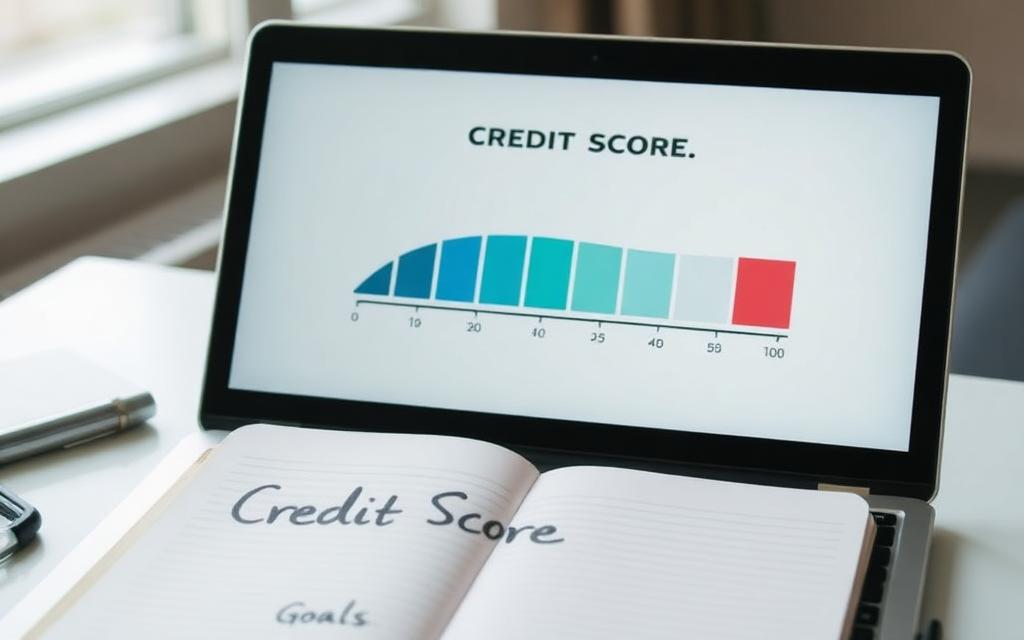
Most consumer credit scores in the U.S. fall on a scale that runs from a few hundred up to the mid-800s. Lenders typically group those scores into bands — poor, fair, good, very good, and exceptional — though exact cutoffs vary by model.
FICO vs VantageScore
FICO and VantageScore are the two most common scoring families. They use similar ranges but weigh factors slightly differently, so your scores across the two can differ even on the same day.
What 'good' usually means in practice
A 'good' score usually unlocks more product options and better terms — but lenders still look at income, debts, employment, and the specific product when they decide.
Why the same score can mean different things
A score that gets you approved for one credit card can be too low for a mortgage, and vice versa. Each lender uses its own underwriting on top of the score.
How to think about credit health
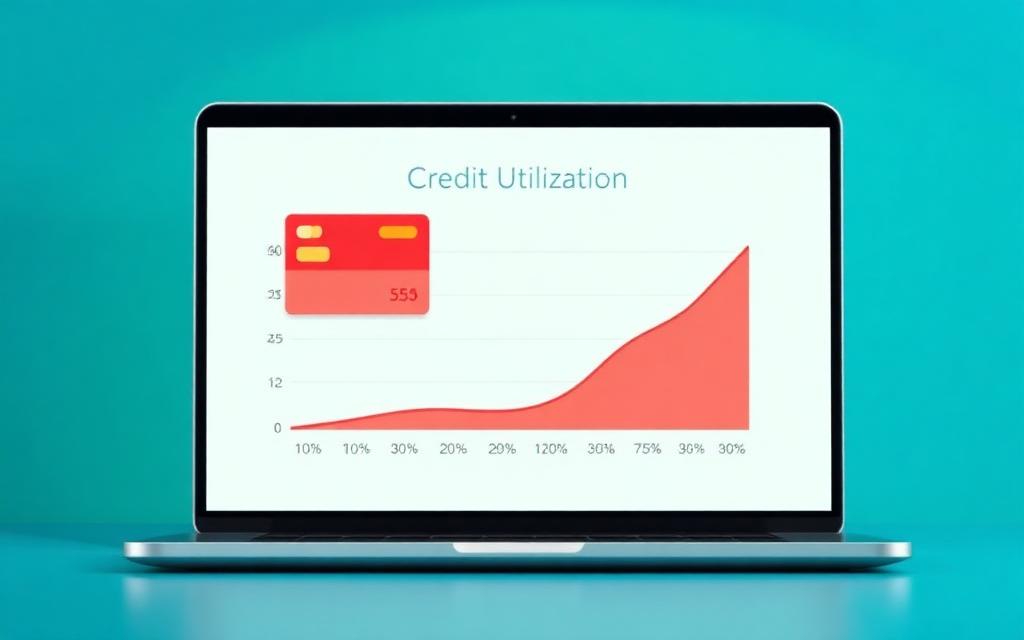
Instead of chasing a magic number, focus on the underlying behaviors: on-time payments, low utilization, long history, and only applying for credit when you need it.
Key facts
- Credit score ranges differ between FICO and VantageScore.
- Lenders consider more than the score, including income and debts.
- Score thresholds for approval are set by lenders, not by the bureaus.
Step-by-step
1. Check which score you're looking at
Note whether it's a FICO or VantageScore product, and from which bureau.
2. Look at the underlying factors
Most apps show what's helping or hurting your score.
3. Focus on habits, not the number
Pay on time and keep utilization low rather than checking the score daily.
4. Compare across time, not snapshots
Trends matter more than a single reading.
Practical example
Two people with the same FICO score apply for the same card. One is approved with a higher limit, the other denied — because one has a stable income and low debt, and the other recently lost a job and has rising balances. The score isn't the whole story.
Common mistakes to avoid
- Treating a score as a single objective grade.
- Comparing scores from different models as if they're identical.
- Closing accounts to 'clean up' credit and accidentally hurting the score.
- Obsessing over small fluctuations week to week.
Frequently asked questions
Why is my score different on different apps?
Different models, different bureaus, and different update times can all produce different numbers.
Is 700 a good credit score?
It's often considered 'good' in many ranges, but how it's evaluated depends on the lender and product.
Does checking my own score hurt it?
Checking your own score is generally treated as a soft inquiry and does not lower it.
Keep reading
Understand the money system better
Explore more credit and banking guides from Marcus and take control of your score.
More credit guidesSources:
About Marcus Cole
Marcus is a 34-year-old financial educator who paid off $47,000 in debt and now explains money in plain language. Nobody taught us this. Let me fix that.
Comments
Comments are moderated for quality and safety. Comment section coming soon.