How to Dispute a Credit Report Error and Actually Win
 By Marcus Cole10 min read
Updated August 12, 2026
You don't need to pay a credit repair company to dispute a credit report error. You do need to be organized and patient. Nobody taught us this. Let me fix that.
What counts as an error
Common errors include accounts that aren't yours, wrong balances, payments reported late that were on time, duplicate accounts, and outdated negative items that should have aged off.
Why disputes matter
Errors can lower your score, raise your interest rates, or even lead to denied applications. Correcting them is your right.
Gather your documentation
Before disputing anything, collect bank statements, payment confirmations, billing statements, and any letters that support your case.
File the dispute with the bureau
Each major bureau accepts disputes online, by mail, or by phone. Disputing in writing with a clear explanation and copies of evidence creates the strongest paper trail.
Also notify the original creditor
Disputing directly with the lender or collector can add pressure and create a parallel record.
Track timelines and responses
Bureaus generally must investigate disputes within a set time window. Keep a folder with dates, copies, and confirmations.
What to do if the dispute fails
If you disagree with the result, you can add a brief statement to your credit file, escalate to regulators, or consult a consumer protection attorney for serious cases.
Key facts
- You're entitled to free credit reports from the major bureaus.
- Bureaus typically have a defined window to investigate disputes.
- Disputes don't guarantee removal — accurate, current negative items usually stay.
Step-by-step
1. Get your three reports
Compare them side by side for inconsistencies.
2. Mark every potential error
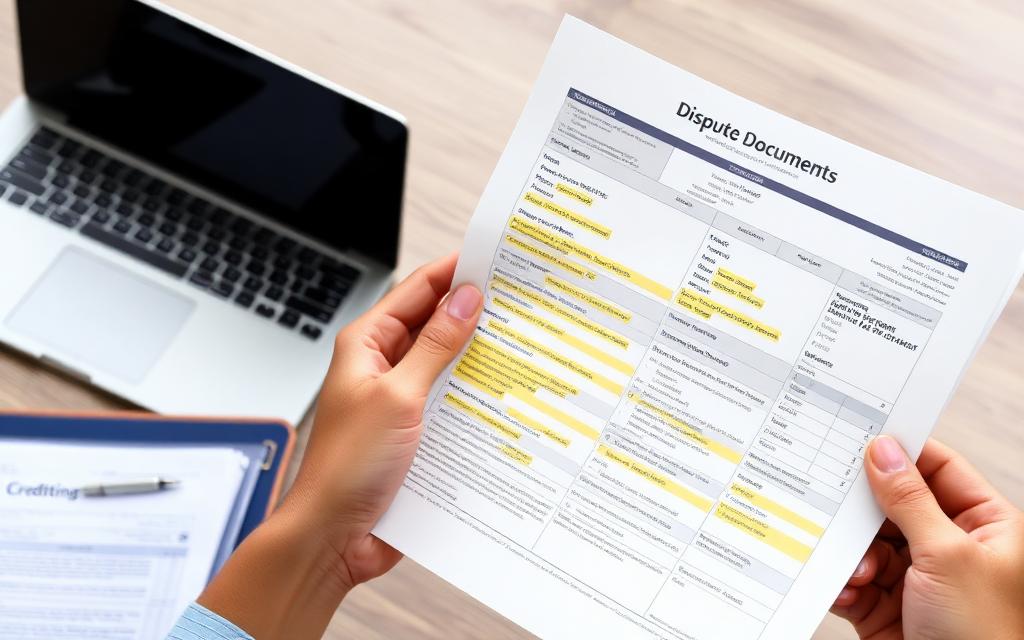
Highlight items you can document as wrong.
3. Write a clear dispute letter
State what's wrong, what's correct, and what you're asking the bureau to do.
4. Attach documentation
Include copies — never originals — of supporting evidence.
5. Send via trackable mail or the bureau's portal
Keep proof of submission.
6. Follow up after the response
If corrected, re-pull your report later to confirm.
Practical example
Someone notices a paid-off loan still listed as open with a balance. He gathers the payoff letter, files a written dispute with the bureau, copies the lender, and the account is corrected after the bureau's investigation window. His score adjusts on the next update cycle.
Common mistakes to avoid
- Disputing without any documentation.
- Filing vague disputes for everything, hoping items will fall off.
- Ignoring the original creditor.
- Paying a company that just files the same disputes you could file yourself.
Frequently asked questions
How long do disputes take?
There's a defined investigation window for the bureaus, after which they must respond.
Will disputing hurt my score?
Filing a dispute itself does not damage your score.
Can negative but accurate items be removed?
Generally no — accurate negative items typically remain until they age off naturally.
Keep reading
Understand the money system better
Explore more credit and banking guides from Marcus and take control of your score.
More credit guidesSources:
About Marcus Cole
Marcus is a 34-year-old financial educator who paid off $47,000 in debt and now explains money in plain language. Nobody taught us this. Let me fix that.
Comments
Comments are moderated for quality and safety. Comment section coming soon.