Emergency Fund: Exactly How Much You Need and Where to Keep It
 By Marcus Cole9 min read
Updated May 29, 2026

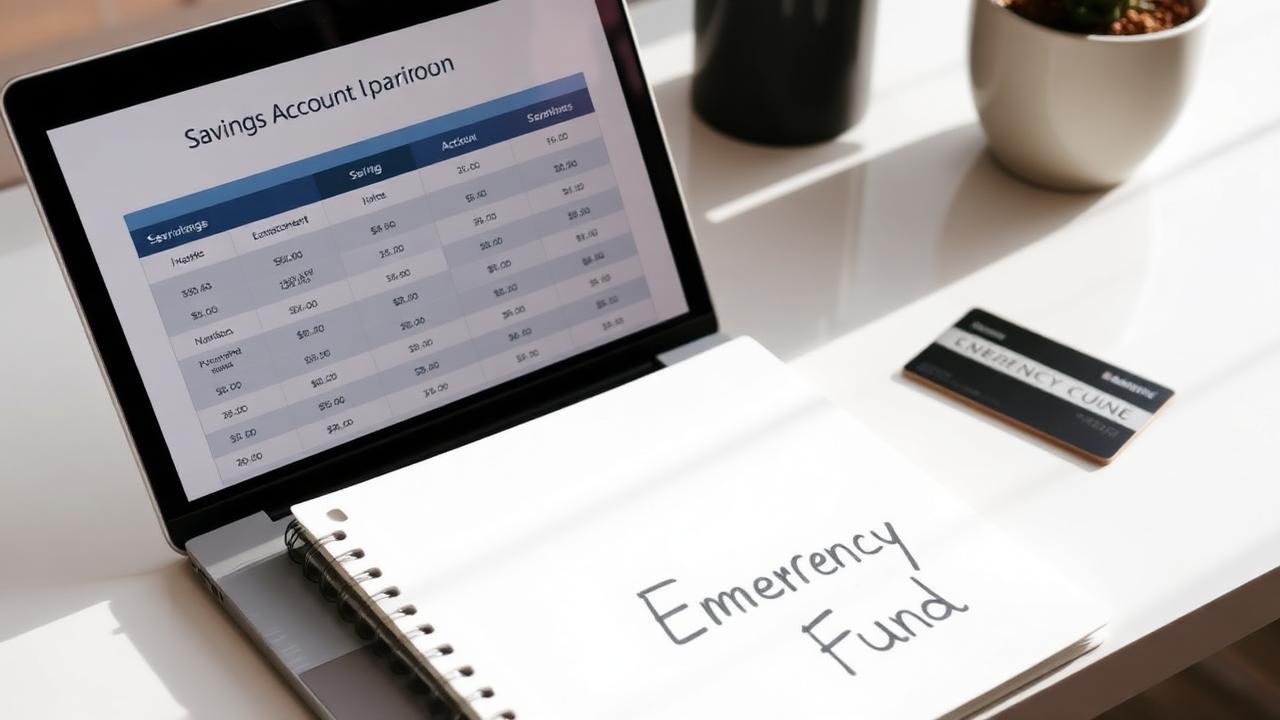
An emergency fund is the difference between a bad week and a financial spiral. The exact number depends on your life, but the structure is the same for everyone — accessible, boring, and protected from yourself. Nobody taught us this. Let me fix that.
What an emergency fund actually covers
True emergencies: job loss, urgent medical expenses, major car or home repairs that cannot wait. It is not a vacation fund, a holiday fund, or a 'great deal' fund.
How much you might need
Common frameworks suggest one month for absolute beginners, three months for stable jobs, and six or more months for variable income or single-income households. Treat these as ranges, not personalized advice.
Starter fund
$1,000 to $2,000 is a typical first milestone while paying off high-interest debt.
Full fund
Three to six months of essential expenses once high-interest debt is handled.
Where to keep it
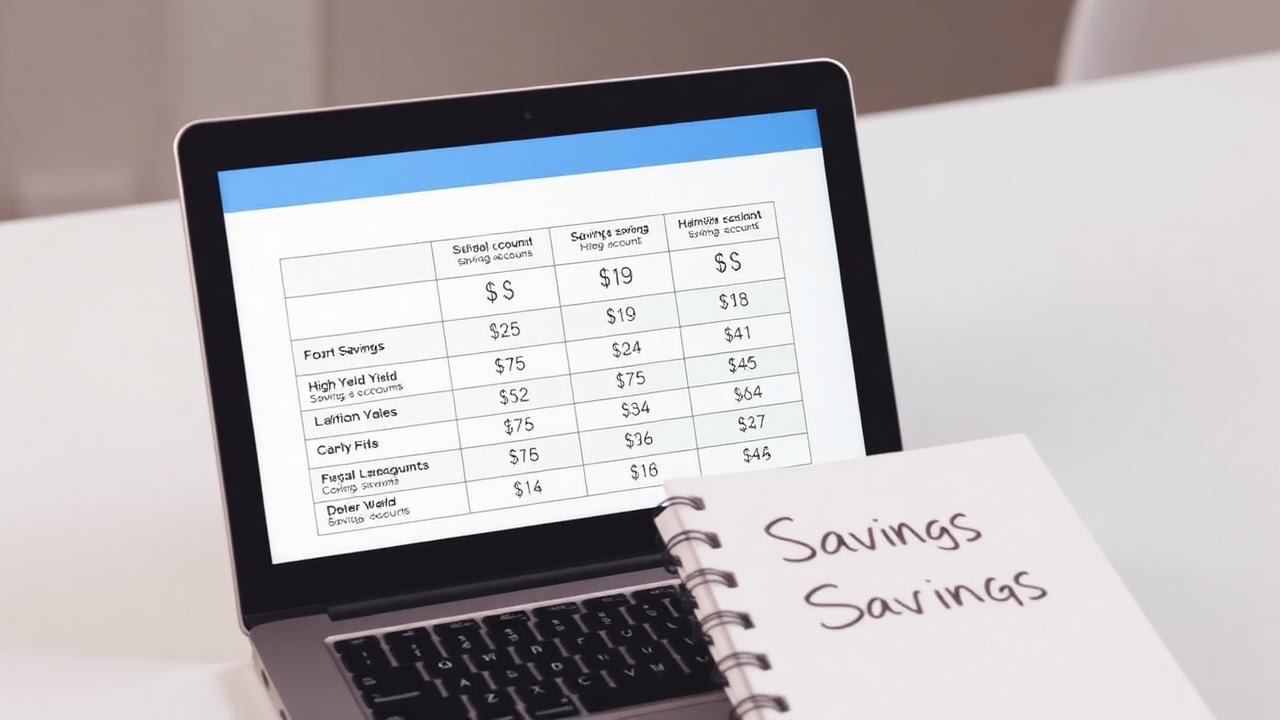
An FDIC-insured high-yield savings account at a separate bank from your checking is a common setup. It is accessible within a few business days but far enough away to discourage casual spending.
How to build it while paying off debt
Build a small starter fund first, attack high-interest debt, then grow the full fund afterward. This avoids putting every emergency back onto a credit card.
Key facts
- An emergency fund is for unexpected, urgent expenses only.
- Common targets range from one to six months of essential expenses.
- FDIC- or NCUA-insured savings accounts are typical storage.
Step-by-step
1. Calculate one month of essential expenses
Rent, food, utilities, insurance, transport, minimums.
2. Set a starter target
$1,000–$2,000 if you carry high-interest debt.
3. Open a separate insured savings account
Different bank from checking, ideally.
4. Automate a weekly transfer
Even $25 a week builds momentum.
5. Grow it to your full target after high-interest debt
Three to six months of essentials.
6. Review the target yearly
Income changes, rent changes, the number changes.
Practical example
If your essential monthly expenses total $2,800, a three-month full emergency fund is $8,400. A starter fund of $1,500 covers most car repairs and medical copays without going back into debt while you work toward the full amount.
Common mistakes to avoid
- Investing emergency fund money in stocks for 'higher returns.'
- Keeping it in the same checking account you use daily.
- Skipping the starter fund and going straight to aggressive debt payoff.
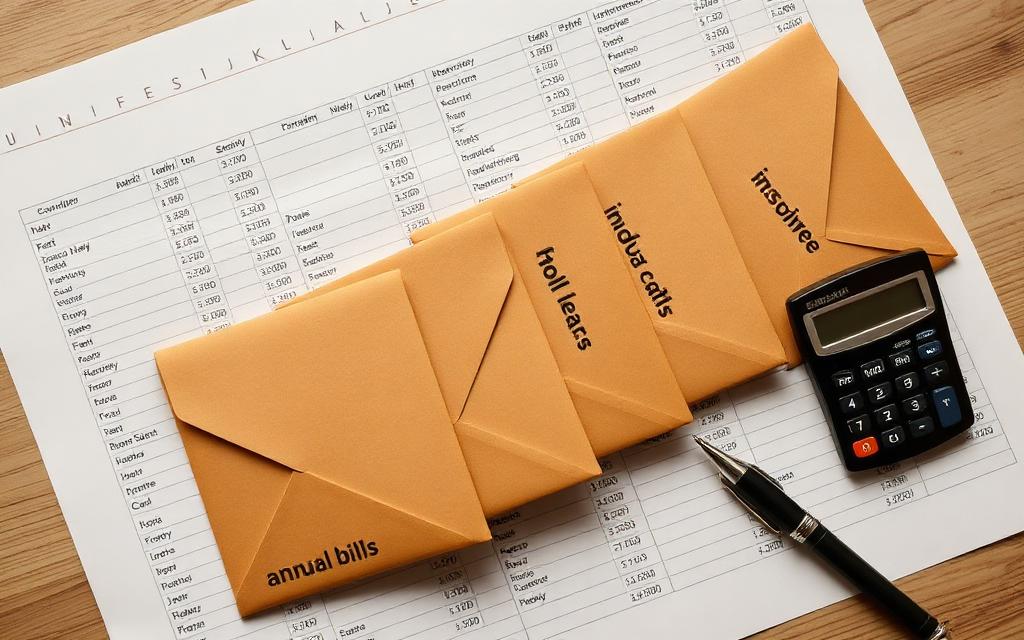
- Using the fund for predictable expenses that belong in a sinking fund.
Frequently asked questions
Is three months enough?
It depends on your job stability, dependents, and obligations. Variable income often calls for a larger cushion.
Should I invest my emergency fund?
Generally no. Market drops and emergencies tend to arrive at the same time.
What counts as an emergency?
Unexpected, urgent, and necessary. If two of three are missing, it is probably a sinking fund expense.
Keep reading
One practical money lesson every week
Join the Money With Marcus newsletter for short, useful weekly guides. No spam, ever.
Join the newsletterSources:
About Marcus Cole
Marcus is a 34-year-old financial educator who paid off $47,000 in debt and now explains money in plain language. Nobody taught us this. Let me fix that.
Comments
Comments are moderated for quality and safety. Comment section coming soon.