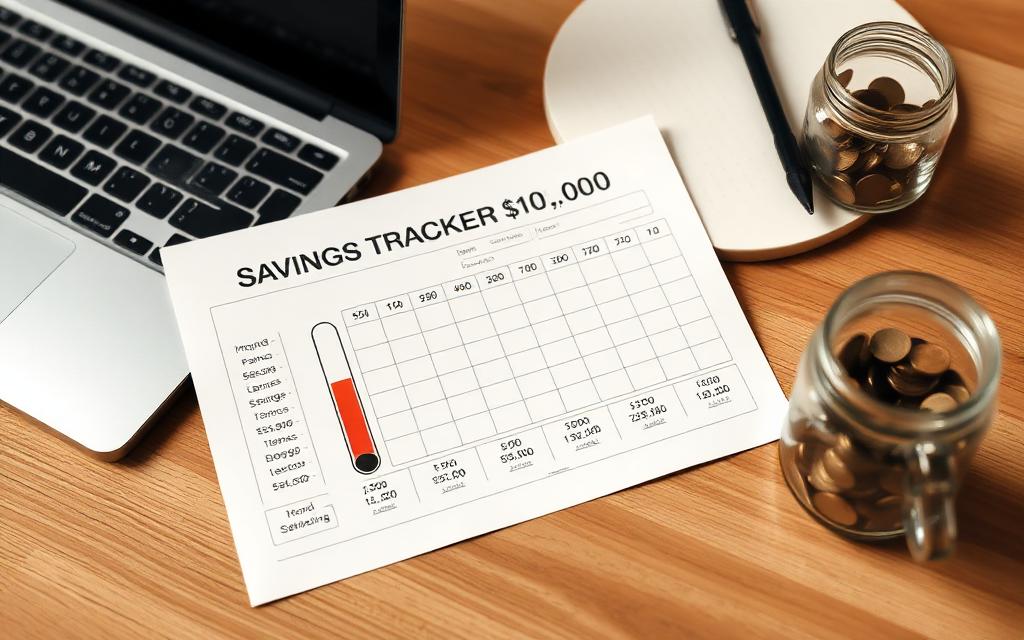
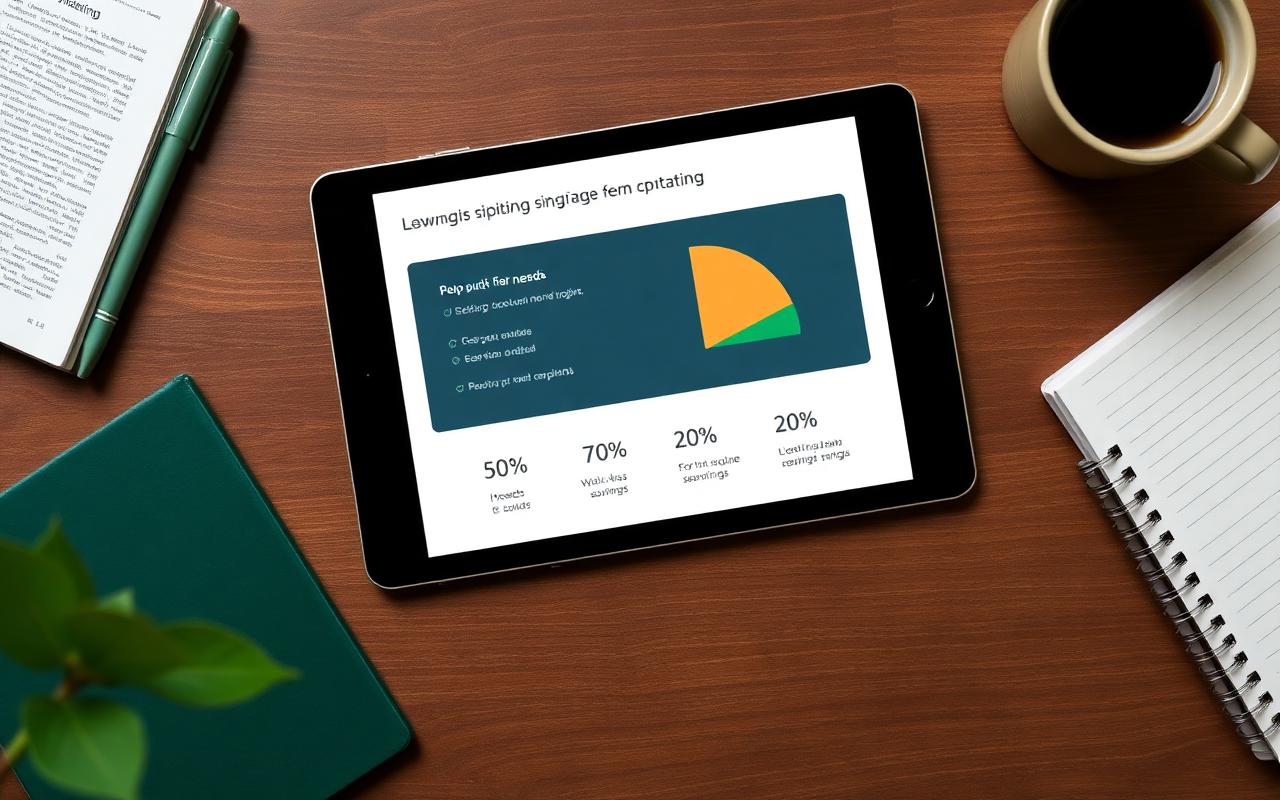
The Sinking Fund Method: How to Never Be Surprised by a Bill Again
 By Marcus Cole9 min read
Updated May 24, 2026
Most 'unexpected' expenses are actually very expected — we just forget about them until they hit. Sinking funds quietly fix that. Nobody taught us this. Let me fix that.
What a sinking fund actually is
A sinking fund is money you set aside monthly for a specific future expense you know is coming — annual insurance, car repairs, holiday gifts, a planned trip, equipment replacement.
Sinking funds vs emergency funds
An emergency fund covers true surprises like job loss or a medical event. A sinking fund covers predictable but irregular expenses. Both exist; they do not replace each other.
How to tell the difference
If you can name the bill and roughly when it will arrive, it is a sinking fund. If it would be a 'never saw it coming' shock, it belongs in your emergency fund.
Common sinking fund categories
Annual insurance, car maintenance and repairs, holidays and gifts, travel, home repairs, taxes for the self-employed, pets, and predictable subscription renewals.
How to set them up
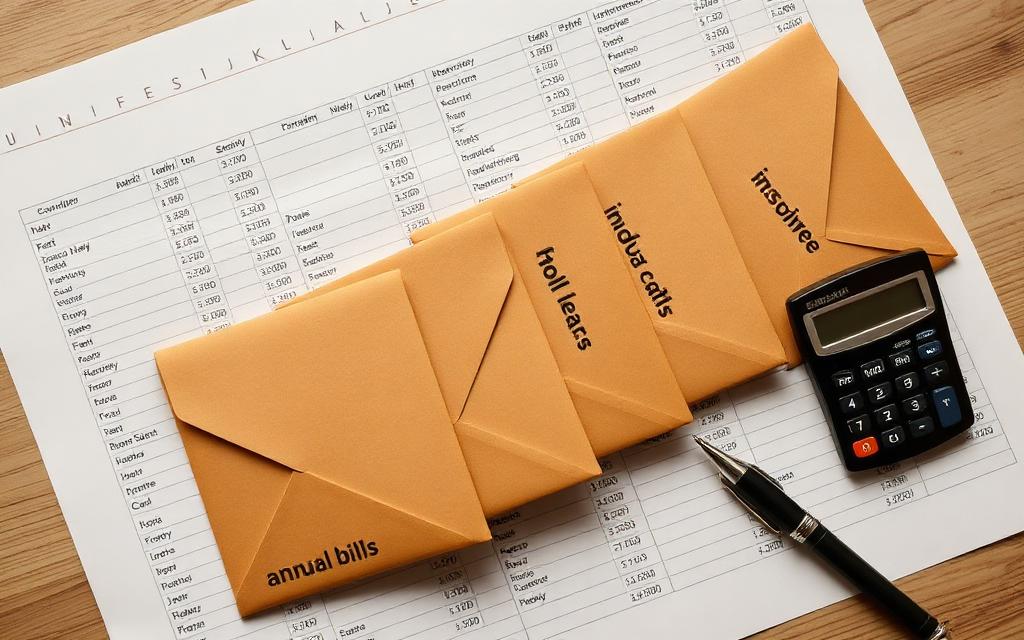
List each upcoming expense, estimate the total, divide by the months until you need it, and start moving that amount each month into a labeled bucket — either an app category or a separate savings sub-account.
Where to keep sinking fund money
A high-yield savings account with sub-accounts or labels works well. Keep it separate from your everyday checking so you do not accidentally spend it.
Key facts
- Sinking funds cover predictable, planned expenses.
- Emergency funds cover unpredictable, urgent ones.
- You can hold multiple sinking funds in one savings account using labels.
Step-by-step
1. List upcoming non-monthly expenses
Insurance, holidays, car, taxes, travel.
2. Estimate each total and timeline
Be generous, not optimistic.
3. Divide by months to get a monthly contribution
Add each to your monthly budget.
4. Open or label a savings account for sinking funds
Separate from checking and emergency fund.
5. Automate the transfers
The day after payday.
6. Review every 6 months
Adjust amounts as bills change.
Practical example
Sample sinking funds for one year: car insurance $1,200 ÷ 12 = $100/month; holidays $600 ÷ 12 = $50/month; car repairs $1,800 ÷ 12 = $150/month; annual subscriptions $240 ÷ 12 = $20/month. Total: $320/month moved into labeled sub-accounts. None of those bills are 'surprises' anymore.
Common mistakes to avoid
- Using your emergency fund for predictable bills.
- Trying to remember sinking fund balances mentally instead of labeling them.
- Forgetting to update amounts when premiums or prices change.
- Treating leftover sinking fund money as bonus spending money.
Frequently asked questions
Do I need a separate bank account for each sinking fund?
No. Labeled sub-accounts or categories within one savings account work fine for most people.
How is a sinking fund different from a savings goal?
Mechanically similar. Sinking funds are usually for recurring, predictable bills, while savings goals can be one-time targets.
How much should each sinking fund hold?
Enough to cover the full expected expense by the time it is due, plus a small buffer.
Keep reading
One practical money lesson every week
Join the Money With Marcus newsletter for short, useful weekly guides. No spam, ever.
Join the newsletterSources:
- Consumer Financial Protection Bureau — Budgeting and savings worksheets
- Federal Deposit Insurance Corporation — High-yield savings account guidance
- Bankrate — Sinking fund and savings strategy guides
About Marcus Cole
Marcus is a 34-year-old financial educator who paid off $47,000 in debt and now explains money in plain language. Nobody taught us this. Let me fix that.
Comments
Comments are moderated for quality and safety. Comment section coming soon.