The 50/30/20 Rule Explained: Does It Still Work Today?
 By Marcus Cole8 min read
Updated April 22, 2026
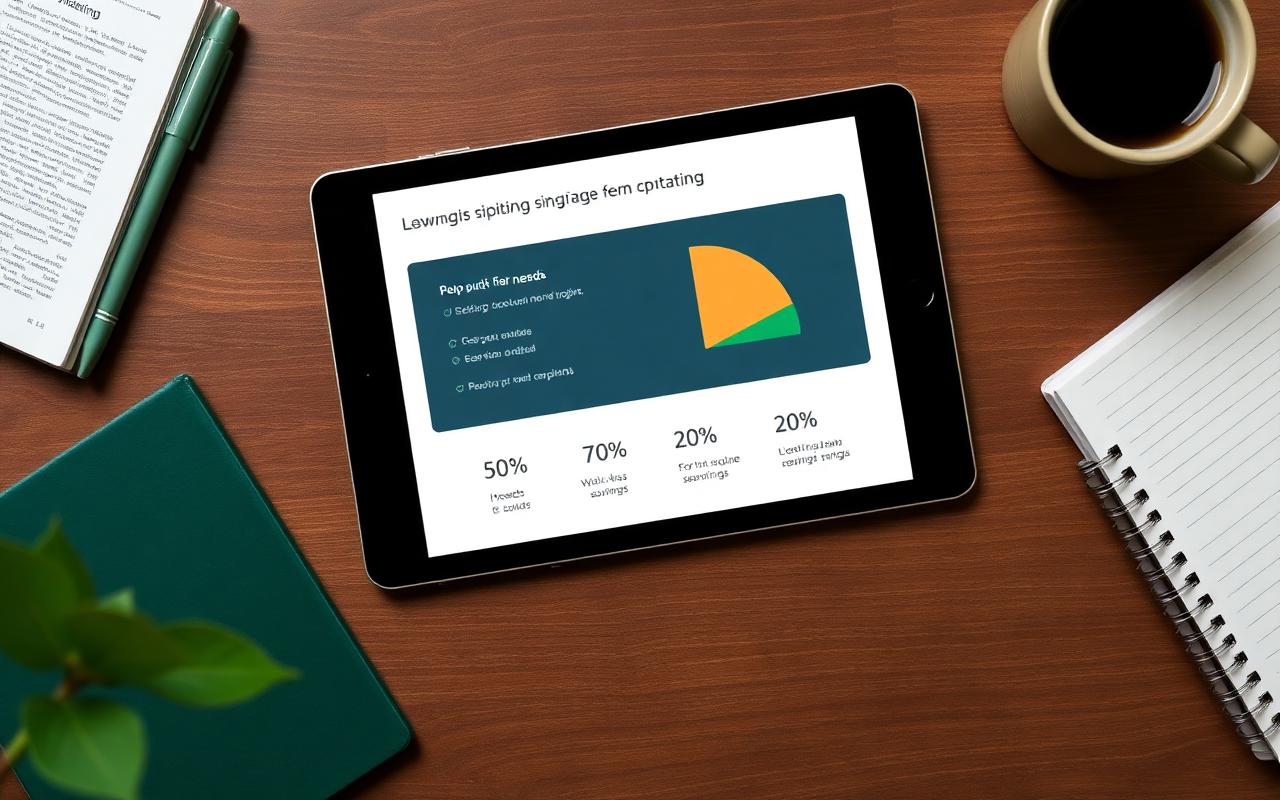
The 50/30/20 rule has been the default beginner budget for a decade. It is simple, easy to remember, and easy to misuse. Here is what it actually says, where it still works, and where modern rent and debt break it.
What the 50/30/20 rule actually means
Of your after-tax income: 50% goes to needs, 30% to wants, and 20% to savings and debt payoff beyond minimums.
Needs
Rent or mortgage, utilities, groceries, transportation to work, insurance, minimum debt payments.
Wants
Dining out, streaming, hobbies, travel, upgrades.
Savings and extra debt
Emergency fund, retirement, extra principal on debt.
Why it became popular
It removes decision fatigue. You do not need a 40-line spreadsheet to know roughly where money should go.
Where it breaks today
In high-cost-of-living cities, rent alone can exceed 40% of net pay, leaving almost nothing for the other categories. The rule was never meant to be a law.
Adapting it for real life
Try 60/20/20 if rent is high, 50/20/30 if you are aggressively paying off debt, or 70/20/10 if you are temporarily stabilizing.
Key facts
- Bankrate — Cost-of-living and rent-to-income data by metro area
- Median rent-to-income ratios in many major US cities exceed 30%.
Step-by-step
1. Calculate your monthly after-tax income
Take-home pay after deductions.
2. Sort last month's spending into needs, wants, and savings/debt
Use a free budgeting app or a spreadsheet.
3. Compare your real percentages to the rule
This is your starting point, not your scorecard.
4. Pick an adapted ratio you can actually hit
Better to hit 60/25/15 than miss 50/30/20.
Practical example
On $4,000/month net, the rule suggests $2,000 needs, $1,200 wants, and $800 savings + extra debt. If your rent is $1,800, you already need to adapt — maybe to a 65/20/15 split until your income grows or your housing changes.
Common mistakes to avoid
- Treating it as a rigid law instead of a starting framework.
- Counting credit card payments as 'savings'.
- Including pre-tax 401(k) contributions in the 20% if you are budgeting from net pay.
Frequently asked questions
Does the 50/30/20 rule include taxes?
It is applied to after-tax (net) income, so taxes are not in the buckets.
What if my needs are more than 50% of my income?
Reduce wants first, then look at increasing income or reducing fixed costs like housing.
Is 20% enough for retirement?
It depends on your age and target retirement age. Many planners suggest 15–20% of gross income toward retirement.
Keep reading
One practical money lesson every week
Join the Money With Marcus newsletter for short, useful weekly guides. No spam, ever.
Join the newsletterSources:
- Investopedia — The 50/30/20 budget rule definition and examples
- NerdWallet — How the 50/30/20 budget works in practice
- Bankrate — Cost-of-living and rent-to-income data by metro area
About Marcus Cole
Marcus is a 34-year-old financial educator who paid off $47,000 in debt and now explains money in plain language. Nobody taught us this. Let me fix that.
Comments
Comments are moderated for quality and safety. Comment section coming soon.