How to Save $10,000 in One Year on an Average Income
 By Marcus Cole9 min read
Updated May 16, 2026
Ten thousand dollars in twelve months sounds like a luxury problem. On most average incomes, it is hard but doable when you break it down and stop relying on willpower. Nobody taught us this. Let me fix that.
Break the number down before you panic
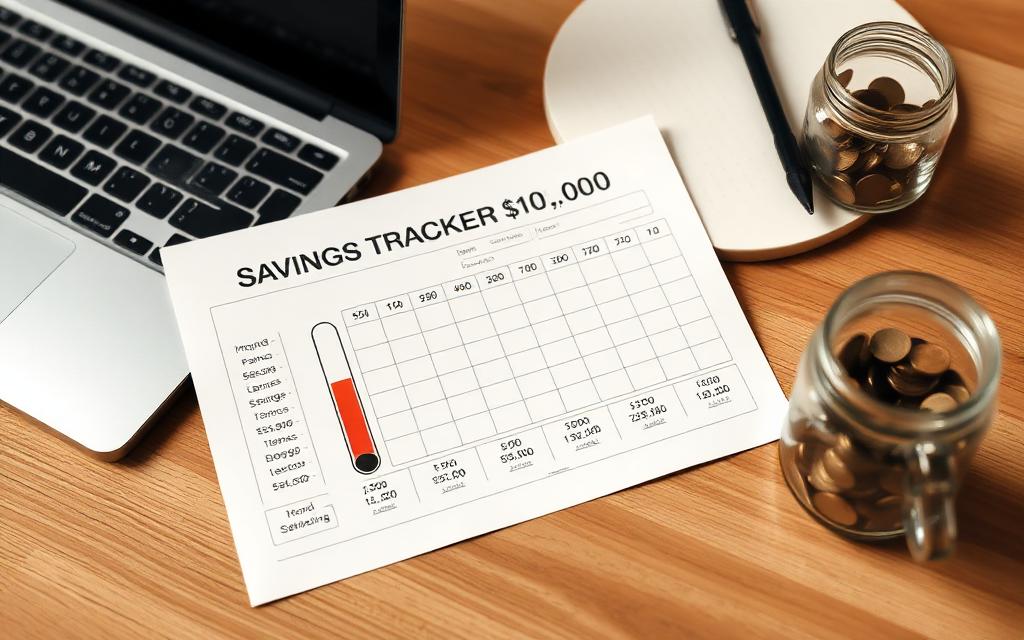
$10,000 over 12 months is about $833/month, $192/week, or $27/day. The big number is intimidating; the small ones are workable.
Start by widening the gap, not slashing your life
Saving is really just income minus expenses. You can cut, you can earn, or — best case — both. Cutting alone has a floor. Earning has more room.
Tackle the three biggest expense categories first
Housing, transportation, and food are usually the top three line items. Tiny coffee cuts will never beat a smarter housing or car decision.
Add one stable income stream
A few extra hours per week of freelancing, tutoring, or overtime can add hundreds of dollars to monthly savings without major lifestyle changes.
Automate every dollar of savings
Set up automatic transfers the day after payday. Use a separate high-yield savings account so it does not blend back into spending.
Use sinking funds to protect the goal
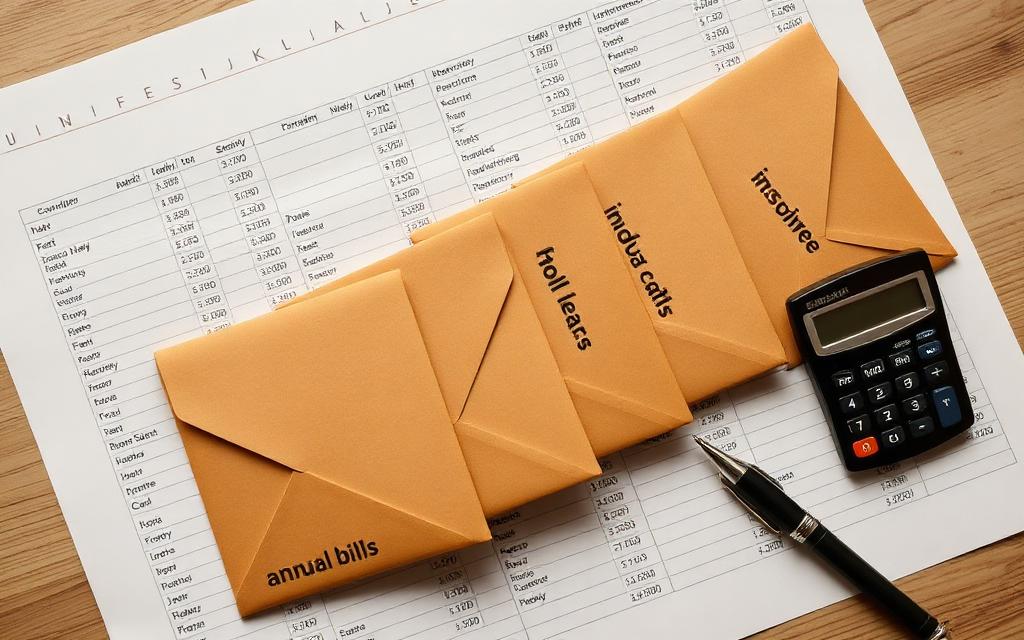
Predictable bills like car insurance, holidays, and birthdays should have their own categories so they do not raid your $10,000 plan.
Key facts
- $10,000 in 12 months ≈ $833/month or $192/week.
- Housing, transportation, and food usually drive the biggest savings.
- Automating savings outperforms relying on motivation each month.
Step-by-step
1. Open a separate high-yield savings account
Out of sight, out of spend.
2. Set up an automatic $833/month transfer
Adjust if your income is irregular.
3. Audit your top 3 expense categories
Find one structural cut, not ten tiny ones.
4. Add one stable side income
Even $200–$400/month adds up fast.
5. Use sinking funds for known annual expenses
So they do not crash the plan.
6. Track progress monthly, not daily
Daily tracking causes burnout.
Practical example
Someone earning $4,000/month after tax might find $500/month by switching insurance, downgrading a car, and meal-planning. They add $400/month from one weekend freelance client. Total: $900/month → roughly $10,800/year saved without extreme deprivation.
Common mistakes to avoid
- Trying to save aggressively while still carrying high-interest debt.
- Skipping the emergency fund and tapping savings for every surprise.
- Tracking obsessively and burning out by month three.
- Cutting only small joy items while leaving big-ticket spending untouched.
Frequently asked questions
Should I save or pay off debt first?
Build a small starter emergency fund (around $1,000), then balance saving and paying off high-interest debt based on your numbers.
Where should I keep this money?
A high-yield savings account separate from your checking, with FDIC insurance in the US.
What if I miss a month?
Adjust the plan, do not abandon it. Use a slightly higher monthly target for the remaining months.
Keep reading
One practical money lesson every week
Join the Money With Marcus newsletter for short, useful weekly guides. No spam, ever.
Join the newsletterSources:
- Federal Deposit Insurance Corporation — High-yield savings and deposit insurance
- Bureau of Labor Statistics — Consumer Expenditure Surveys
- Bankrate — Annual savings rate and emergency fund surveys
About Marcus Cole
Marcus is a 34-year-old financial educator who paid off $47,000 in debt and now explains money in plain language. Nobody taught us this. Let me fix that.
Comments
Comments are moderated for quality and safety. Comment section coming soon.