YNAB vs. Mint vs. Every Dollar: Which Budgeting App Is Actually Worth It?
 By Marcus Cole10 min read
Updated May 20, 2026
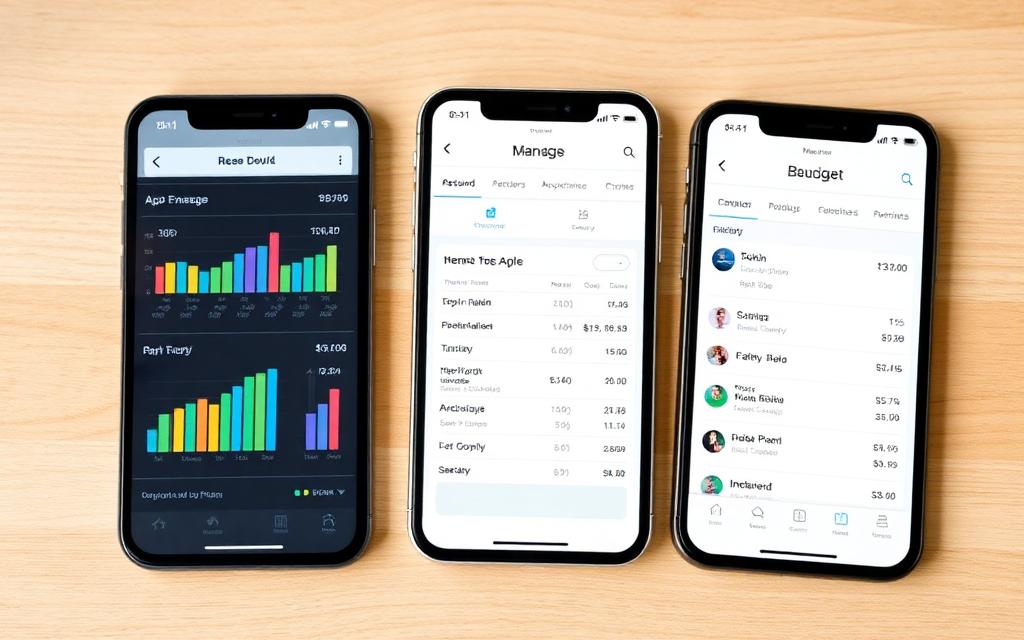
YNAB, Mint, and EveryDollar are not really competitors — they are three different philosophies wearing app icons. The right one depends on how much structure your brain wants. Nobody taught us this. Let me fix that.
Three different philosophies, one comparison
YNAB centers on zero-based budgeting and proactive assignment. EveryDollar leans on zero-based budgeting in a simpler interface, often paired with the Ramsey baby steps. Mint historically focused on automatic spend tracking and aggregation — availability and features have shifted, so verify current status.
Budgeting style
Zero-based vs reactive tracking is the key fork. Zero-based means you assign dollars before spending. Reactive tracking means you categorize after the fact.
Learning curve
Zero-based apps require more upfront effort but tend to change behavior more. Reactive trackers feel easier but can become passive dashboards you stop checking.
Cost
Pricing changes frequently for all of these. Check each app's official site for current free vs paid tiers before signing up.
Who each one tends to fit
Detail-oriented planners often prefer YNAB. People following the Ramsey-style debt payoff path often prefer EveryDollar. People who want a passive overview of accounts have historically gravitated to Mint-style trackers.
What to verify before you choose
Current pricing, current availability in your country, account syncing support for your bank, and the privacy policy. Treat any blog comparison as a starting point, not the final word.
Key facts
- YNAB and EveryDollar are zero-based; Mint historically was a tracker.
- Mint's availability has changed over time — verify current status before relying on it.
- Pricing and features change frequently across all three apps.
Step-by-step
1. Decide if you want proactive or reactive budgeting
That choice eliminates one of the three.
2. Check each app's current availability and pricing
On the official site.
3. Read the privacy policy
Know what is shared and sold.
4. Test one app for 30 days with real data
Do not try all three at once.
5. Switch only if it clearly is not working
App-hopping kills budgets.
Practical example
A person paying off debt who likes a clear plan and a small monthly subscription might prefer YNAB or EveryDollar. Someone who only wants to monitor accounts and categorize past spending might prefer a tracker-style app. Confirm current features and pricing before committing.
Common mistakes to avoid
- Picking based on price alone.
- Ignoring whether the app fits your budgeting style.
- Switching apps every few months and never building a habit.
- Trusting old blog comparisons without verifying current features.
Frequently asked questions
Is YNAB worth the subscription?
For people who actually use zero-based budgeting, often yes. Confirm current pricing on the official site.
Is Mint still available?
Mint's status has changed over time. Check the official site or a recent reputable review for current availability.
Is EveryDollar free?
It has historically offered a free tier and a paid tier. Verify the current structure on the official site.
Keep reading
One practical money lesson every week
Join the Money With Marcus newsletter for short, useful weekly guides. No spam, ever.
Join the newsletterSources:
- Consumer Financial Protection Bureau — Budgeting tools and resources
- NerdWallet — Budgeting app reviews and comparisons
- Investopedia — Personal finance app overviews
About Marcus Cole
Marcus is a 34-year-old financial educator who paid off $47,000 in debt and now explains money in plain language. Nobody taught us this. Let me fix that.
Comments
Comments are moderated for quality and safety. Comment section coming soon.