How to Save Money on Groceries Without Eating Worse
 By Marcus Cole8 min read
Updated May 30, 2026
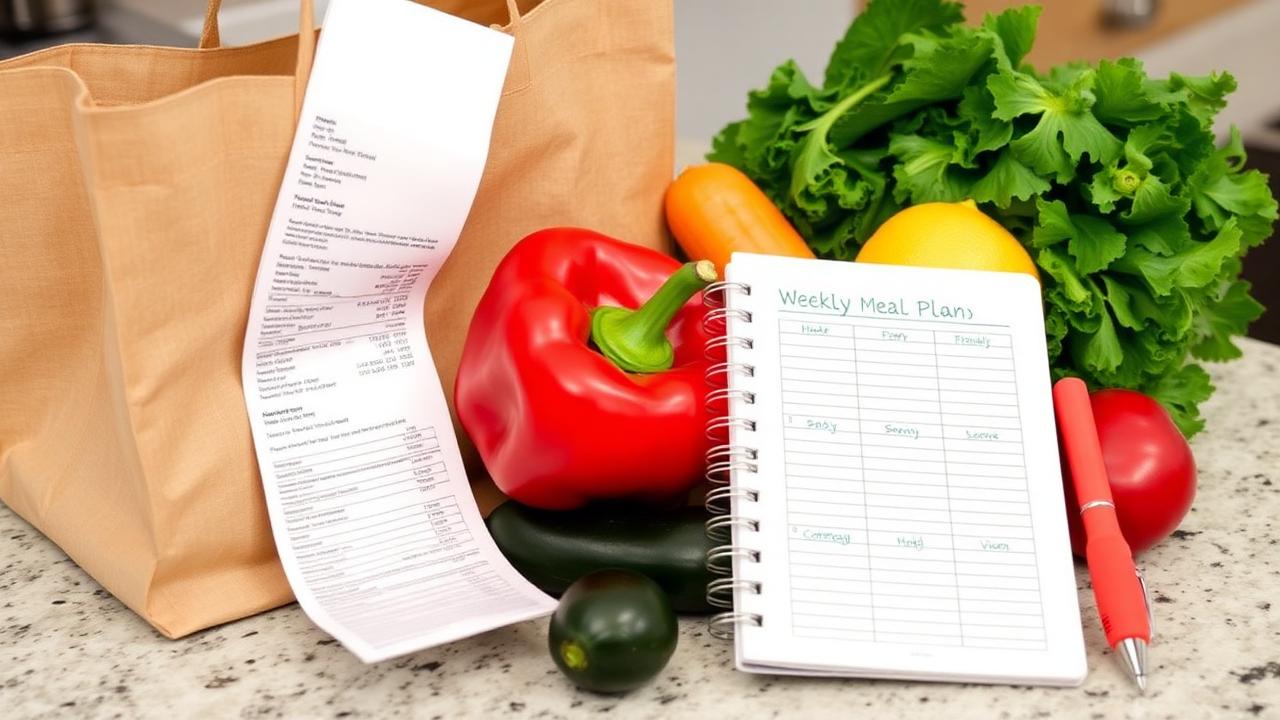
Saving on groceries should not feel like punishment. The biggest wins come from a small set of habits — plan first, shop a list, use what you already have, and stop throwing money in the trash. Nobody taught us this. Let me fix that.
Plan the week before you shop
Pick four to six meals for the week, write a list from those meals, and add only the staples you are actually out of. Most overspending happens when there is no plan.
Shop your pantry first
Before adding anything to the list, look at what you already own. Build at least one meal around what is already in the fridge or freezer.
Use price-per-unit, not sticker price
The cheaper-looking package is often more expensive per ounce. Check unit pricing on shelf tags.
Reduce food waste deliberately
Freeze produce before it dies. Eat leftovers on a scheduled day. Track what you throw out for two weeks — the pattern is usually obvious.
Strategies that quietly work
Buy whole foods instead of pre-cut, choose store brands for staples, batch cook proteins, and avoid shopping hungry.
Key facts
- Meal planning typically cuts grocery spend more than coupons.
- Unit price is a better signal than sticker price.
- Food waste is a major hidden grocery cost.
Step-by-step
1. Audit your last 30 days of grocery and food spending
Including delivery.
2. Pick a weekly meal-planning day
Sunday for most people.
3. Inventory your pantry, fridge, and freezer
Build one meal from what is there.
4. Write a list and stick to it
Mobile note or paper — either works.
5. Set a weekly grocery cap
Round number, easy to remember.
6. Track waste for two weeks
Adjust quantities accordingly.
Practical example
A typical family swap: planning four dinners and one batch lunch, shopping store brand staples, and cutting two delivery orders a week can lower a $1,000 monthly grocery and food budget to closer to $750 — without anyone noticing at the table.
Common mistakes to avoid
- Shopping without a list.
- Buying in bulk for items you will not finish.
- Ignoring leftovers and ordering delivery instead.
- Chasing coupons for items you would not otherwise buy.
Frequently asked questions
Are store brands really as good as name brands?
Often yes, especially for staples like flour, sugar, canned goods, and dairy. Test category by category.
Is delivery always more expensive?
Usually, once you factor in fees, tips, and impulse adds. Occasional use is fine; weekly use is a budget leak.
Should I shop at multiple stores to save?
Only if the savings clearly outweigh the time and gas. For most people, one store with a good list wins.
Keep reading
One practical money lesson every week
Join the Money With Marcus newsletter for short, useful weekly guides. No spam, ever.
Join the newsletterSources:
About Marcus Cole
Marcus is a 34-year-old financial educator who paid off $47,000 in debt and now explains money in plain language. Nobody taught us this. Let me fix that.
Comments
Comments are moderated for quality and safety. Comment section coming soon.