Envelope Budgeting System: Old School Method That Still Works
 By Marcus Cole7 min read
Updated June 3, 2026
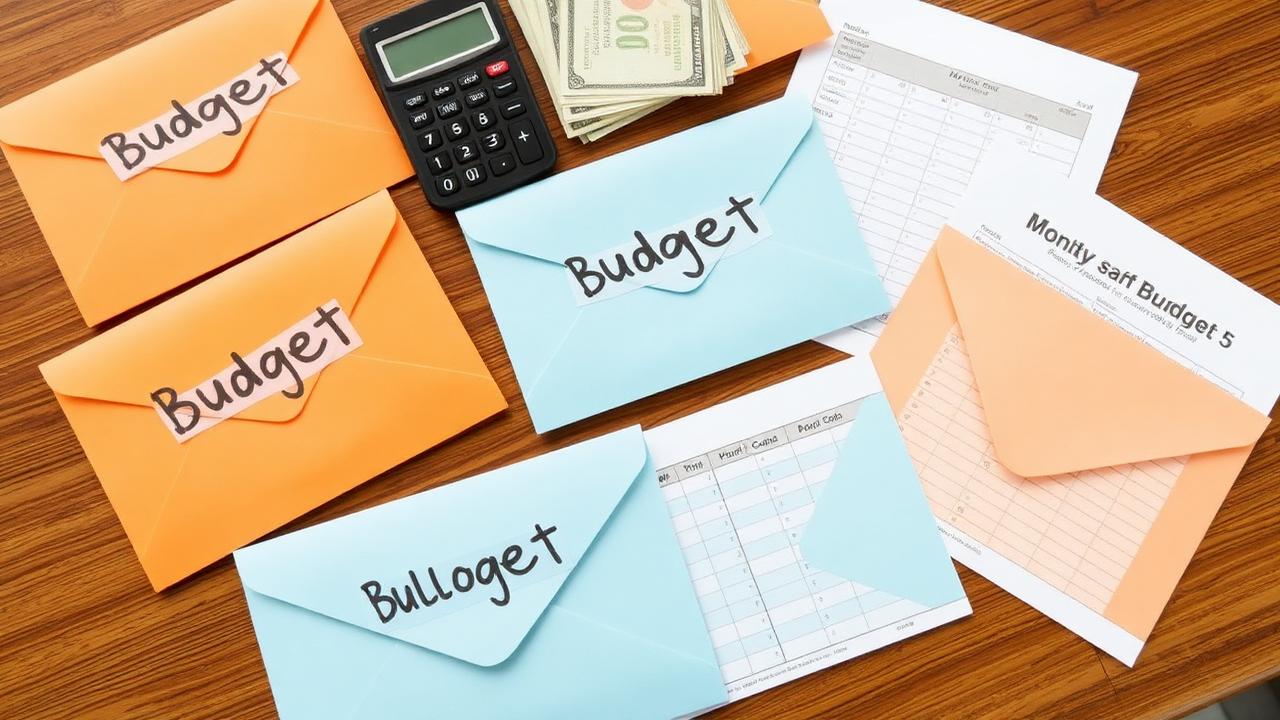
Envelope budgeting is one of the oldest systems in personal finance — and it still works because it solves a real problem: variable spending categories that quietly destroy budgets. Nobody taught us this. Let me fix that.
How envelope budgeting works
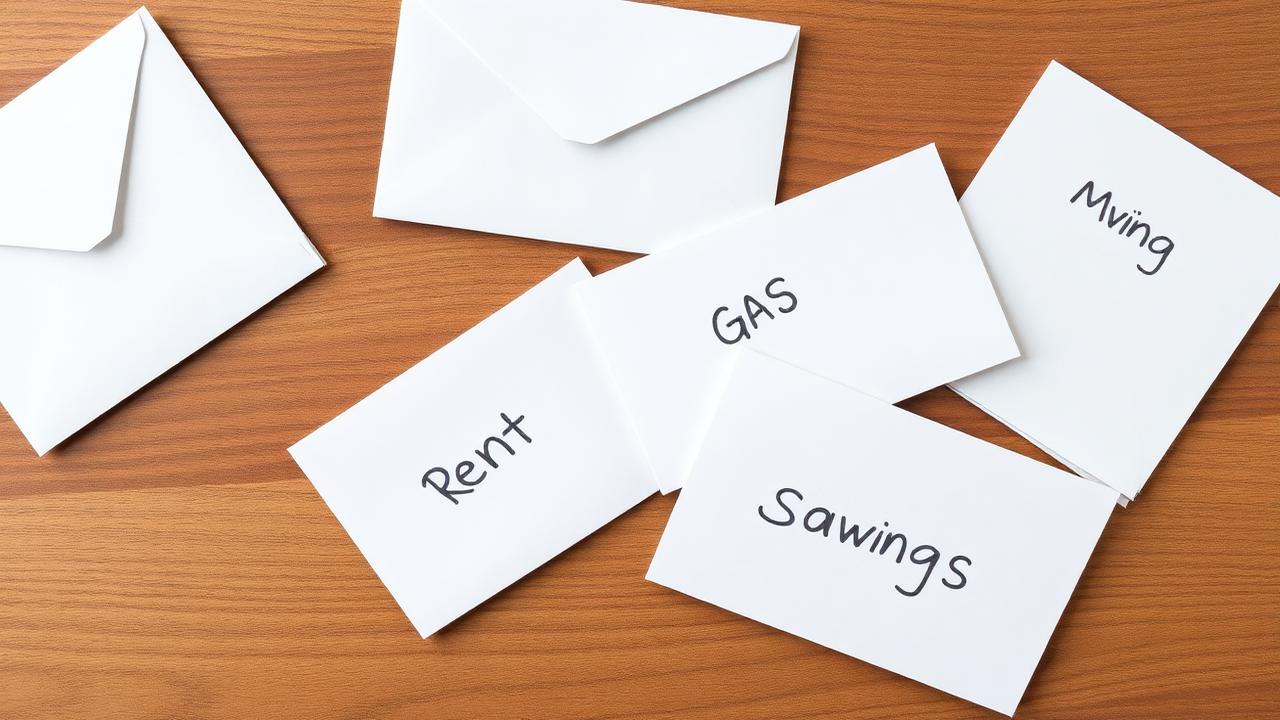
You decide ahead of time how much to spend per category, label an envelope (or a digital account) for each, and only spend what is inside. When it is gone, it is gone until the next cycle.
Why it actually works
It removes mid-month decision making. Instead of guessing if you can afford dinner out, you check the envelope. The hard limit is the system.
Cash envelopes vs. digital envelopes
Cash adds physical friction and works well for groceries, gas, fun, and personal. Digital sub-accounts or budgeting categories work better for online-heavy lives.
When cash makes sense
If you mostly shop in person and overspend by swiping.
When digital makes sense
If you pay online, travel often, or feel unsafe carrying cash.
Categories that pair well with envelopes
Groceries, dining out, entertainment, personal spending, fuel, gifts, and household supplies — anything variable and easy to overspend on.
Key facts
- Envelopes turn variable spending into a hard limit.
- Digital sub-accounts replicate the same behavior online.
- Envelopes are best for variable, not fixed, expenses.
Step-by-step
1. Pick four to six variable categories
Where you tend to overspend.
2. Set a realistic amount per category
Based on your real spending history.
3. Choose cash or digital envelopes
Whichever you will actually use.
4. Fund the envelopes on payday
Same time every cycle.
5. Track balances mid-cycle
Quick check, not a deep analysis.
6. Adjust amounts at the end of the month
Real data beats guesses.
Practical example
A simple envelope setup: groceries $500, dining out $120, fuel $180, personal $80, fun $100. Funded on the 1st. When fuel hits zero on the 20th, you carpool for the last 10 days — and next month's fuel envelope gets a small bump.
Common mistakes to avoid
- Using envelopes for fixed bills they were never meant for.
- Refilling envelopes from savings when you overspend.
- Setting unrealistic envelope amounts and giving up.
- Forgetting to fund envelopes the same day each cycle.
Frequently asked questions
Can I use envelope budgeting with a credit card?
Yes — treat the envelope as your real limit and pay the card off from the envelope balance every cycle.
What if I run out of envelope money early?
That is the signal. Either change your behavior for the rest of the cycle or raise the envelope next month with reason.
Do I need a budgeting app for digital envelopes?
Not necessarily. Multiple savings sub-accounts or a simple spreadsheet can work.
Keep reading
One practical money lesson every week
Join the Money With Marcus newsletter for short, useful weekly guides. No spam, ever.
Join the newsletterSources:
About Marcus Cole
Marcus is a 34-year-old financial educator who paid off $47,000 in debt and now explains money in plain language. Nobody taught us this. Let me fix that.
Comments
Comments are moderated for quality and safety. Comment section coming soon.