How to Raise Your Credit Score 100 Points in 6 Months
 By Marcus Cole9 min read
Updated February 10, 2026
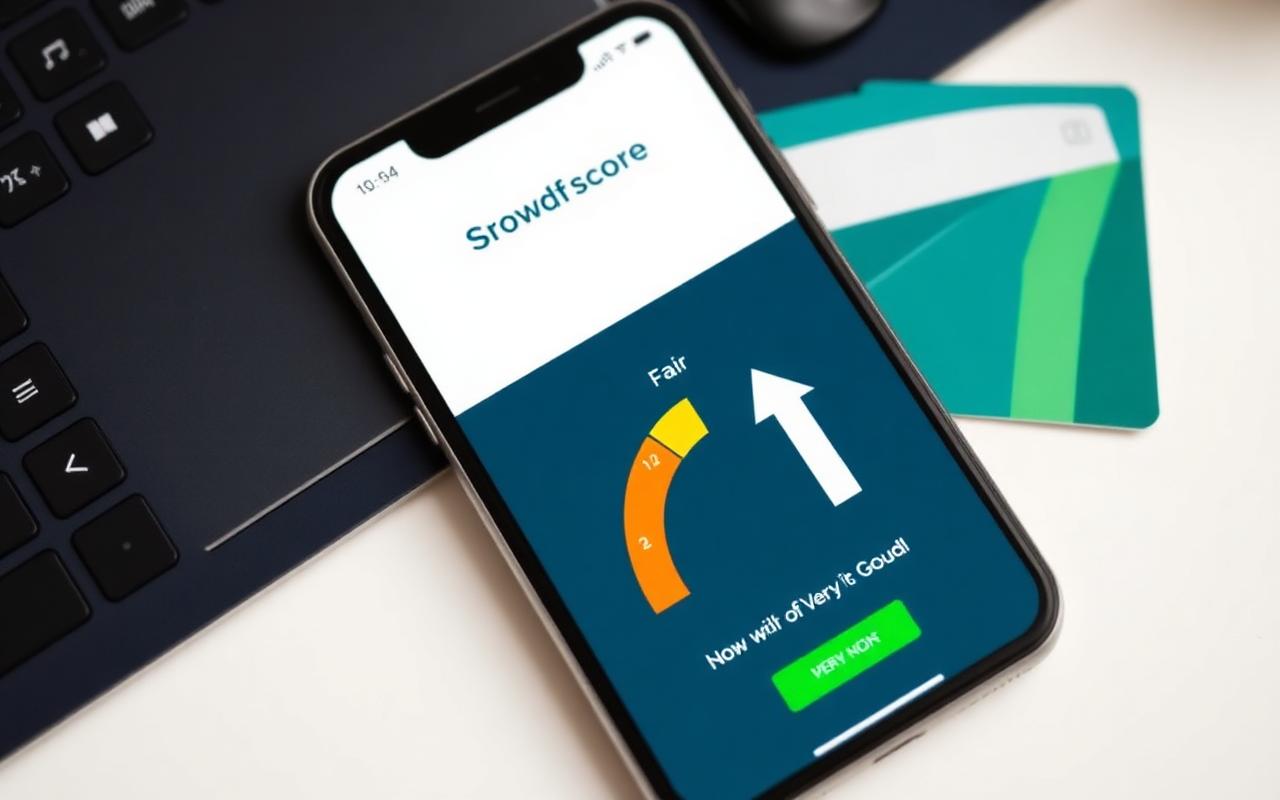
A 100-point jump in 6 months is possible for some people — especially those with high utilization or recent missed payments aging off. It is not guaranteed for everyone, and that matters. Here is the order that tends to move the needle the most.
Pull your reports first
Get all three free reports at annualcreditreport.com. Dispute anything inaccurate — errors are surprisingly common.
Crush utilization
Aim to keep utilization under 10% on every card. Paying before your statement closes — not just before the due date — reduces what gets reported.
Pay on time, every time
Set autopay for at least the minimum on every account. Payment history is the single largest scoring factor.
Avoid new hard inquiries
Each new application can dip your score temporarily. Space them out and only apply when you genuinely need credit.
Keep old accounts open
Closing old no-fee cards can raise utilization and shorten your credit history — both of which can hurt your score.
Key facts
- Payment history and amounts owed (utilization) together drive a large majority of common credit scores.
- You are entitled to free credit reports from each of the three major bureaus.
- Disputing inaccurate items is free and is a consumer right.
Step-by-step
1. Pull all three reports
Look for late payments, wrong balances, accounts you don't recognize.
2. Dispute inaccurate items
Bureaus are required to investigate.
3. Pay down utilization
Target under 30% first, then under 10%.
4. Set autopay for minimums
Even one late payment can sting.
5. Avoid new credit applications for 6 months
Unless absolutely necessary.
Practical example
Someone with three cards at 80% utilization, no late payments, and one outdated collection might see a meaningful score increase by paying utilization down to under 10% and successfully disputing the outdated collection. There is no guaranteed point increase, but the underlying credit health improves either way.
Common mistakes to avoid
- Closing old credit cards mid-payoff.
- Applying for several new cards in a short time.
- Paying only at the due date — your statement balance is what often gets reported.
- Ignoring small medical or utility collections.
Frequently asked questions
Will closing a card hurt my score?
It can — by raising utilization and shortening credit history. Keep old no-fee cards open when possible.
Does checking my own credit hurt my score?
No. Checking your own credit is a soft inquiry and does not affect your score.
How long do late payments stay on my report?
Generally up to 7 years, though their impact fades over time.
Keep reading
Understand the money system better
Explore more credit and banking guides from Marcus and take control of your score.
More credit guidesSources:
- FICO — Credit score factor breakdown and weightings
- Experian — How utilization and payment history affect your score
- Consumer Financial Protection Bureau — Credit reports and disputing errors
About Marcus Cole
Marcus is a 34-year-old financial educator who paid off $47,000 in debt and now explains money in plain language. Nobody taught us this. Let me fix that.
Comments
Comments are moderated for quality and safety. Comment section coming soon.