How to Pay Off $20,000 in Debt in 2 Years on a Normal Salary
 By Marcus Cole9 min read
Updated May 1, 2026

Paying off $20,000 in two years on a normal salary is not about being broke for 24 months. It is about giving every dollar a job, choosing a payoff method that fits your brain, and protecting yourself from the next emergency that would put it all back on a card. Nobody taught us this. Let me fix that.
Why $20,000 in 2 years is a realistic target
Twenty thousand dollars over 24 months works out to roughly $834 per month in principal, plus interest. That is aggressive, but it is not extreme. Most people can find that number by combining smaller expense cuts with one stable source of extra income.
The math, simplified
If your average interest rate is around 18%, your monthly payment to fully clear $20,000 in 24 months lands closer to $1,000 a month. Lower rates need less; higher rates need more.
What 'normal salary' actually means here
This plan assumes a take-home pay where $800–$1,000 a month is hard but possible to redirect — not impossible to redirect.
Get a clear number, not a vibe
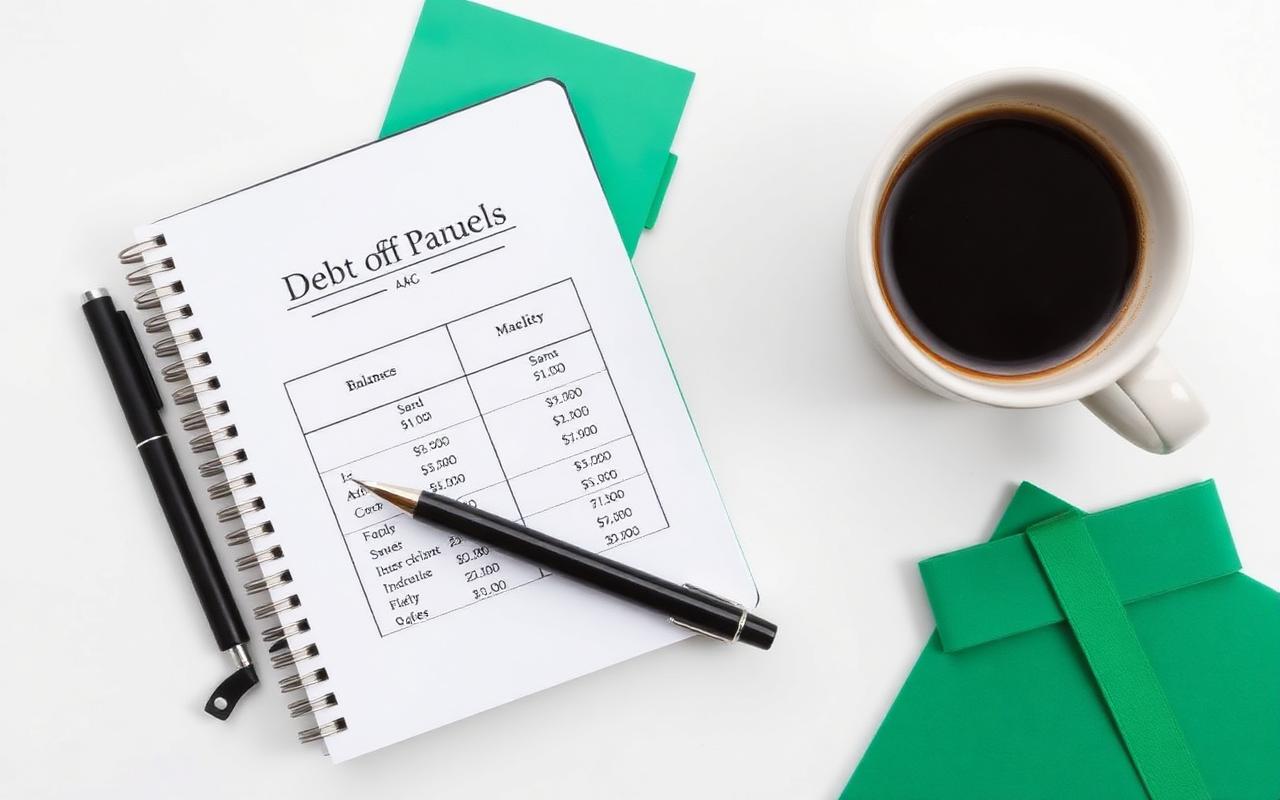
Write down every balance, the interest rate, the minimum payment, and the due date. Spreadsheet, notes app, paper — it does not matter. Guessing does not work. Your plan is only as honest as this list.
Choose avalanche or snowball
Avalanche pays the highest interest rate first and saves the most money. Snowball pays the smallest balance first and gives you fast wins. Both work. The best one is the one you will actually finish.
Build a small starter emergency fund first
Before going all-in on debt, park about $1,000 in a separate savings account. This is what stops a flat tire from becoming new credit card debt.
Free up cash flow without going extreme
Audit subscriptions, renegotiate insurance, batch groceries, and pause anything optional for 90 days. Then point that money — every dollar — at your target debt.
Add income, not pressure
A few extra hours per week of freelancing, tutoring, or overtime can shorten this plan by months. Treat new income as debt money first, lifestyle money never.
Key facts
- Sources:
- Roughly half of US credit card holders carry a balance month to month.
- Paying before your statement closing date — not just the due date — can reduce reported utilization.
Step-by-step
1. List every debt
Balance, APR, minimum payment, due date.
2. Save a $1,000 buffer
In a separate high-yield savings account.
3. Pick avalanche or snowball
Commit to one method for at least 6 months.
4. Automate minimums everywhere
Set autopay on every account to protect your credit history.
5. Send everything extra to your target debt
Each month, one debt is the target. Everything extra goes there.
6. Add one income stream
Freelance hours, overtime, or a weekend service business.
7. Re-run the plan every 90 days
Adjust as balances and interest fall.
Practical example
Sample plan: $20,000 total across two credit cards ($8,000 at 24% APR and $12,000 at 19% APR). Using the avalanche method with a $950 monthly payment, the higher-rate card is cleared first. Total payoff time lands near 24–26 months and total interest paid is meaningfully lower than paying minimums for years.
Common mistakes to avoid
- Taking out a debt consolidation loan and then running the cards back up.
- Skipping the small emergency fund and putting surprise costs back on a card.
- Closing old cards in the middle of payoff, which can raise utilization and drop your score.
- Switching methods every month based on motivation rather than committing to one.
Frequently asked questions
Is paying off $20,000 in 2 years realistic?
For many people, yes — if you can free up roughly $800–$1,000 per month between lower expenses and added income. It is aggressive, not extreme.
Should I invest while paying off debt?
Capture any employer 401(k) match if you have one, then generally prioritize high-interest debt before non-retirement investing.
Does consolidating to a personal loan help?
It can lower your rate and simplify payments, but only if you stop using the original cards. Otherwise it doubles your debt.
Will my credit score drop while paying off debt?
Usually it improves over time as balances fall, but closing cards or missing payments can hurt it temporarily.
Keep reading
Start your debt freedom journey
Explore Marcus's debt payoff guides and pick a strategy that fits your life — snowball, avalanche, or a hybrid plan.
See debt guidesSources:
- Experian — Average credit card debt and balance statistics
- Consumer Financial Protection Bureau — Guidance on debt repayment and consumer rights
- Experian — Average credit card debt and balance statistics
About Marcus Cole
Marcus is a 34-year-old financial educator who paid off $47,000 in debt and now explains money in plain language. Nobody taught us this. Let me fix that.
Comments
Comments are moderated for quality and safety. Comment section coming soon.