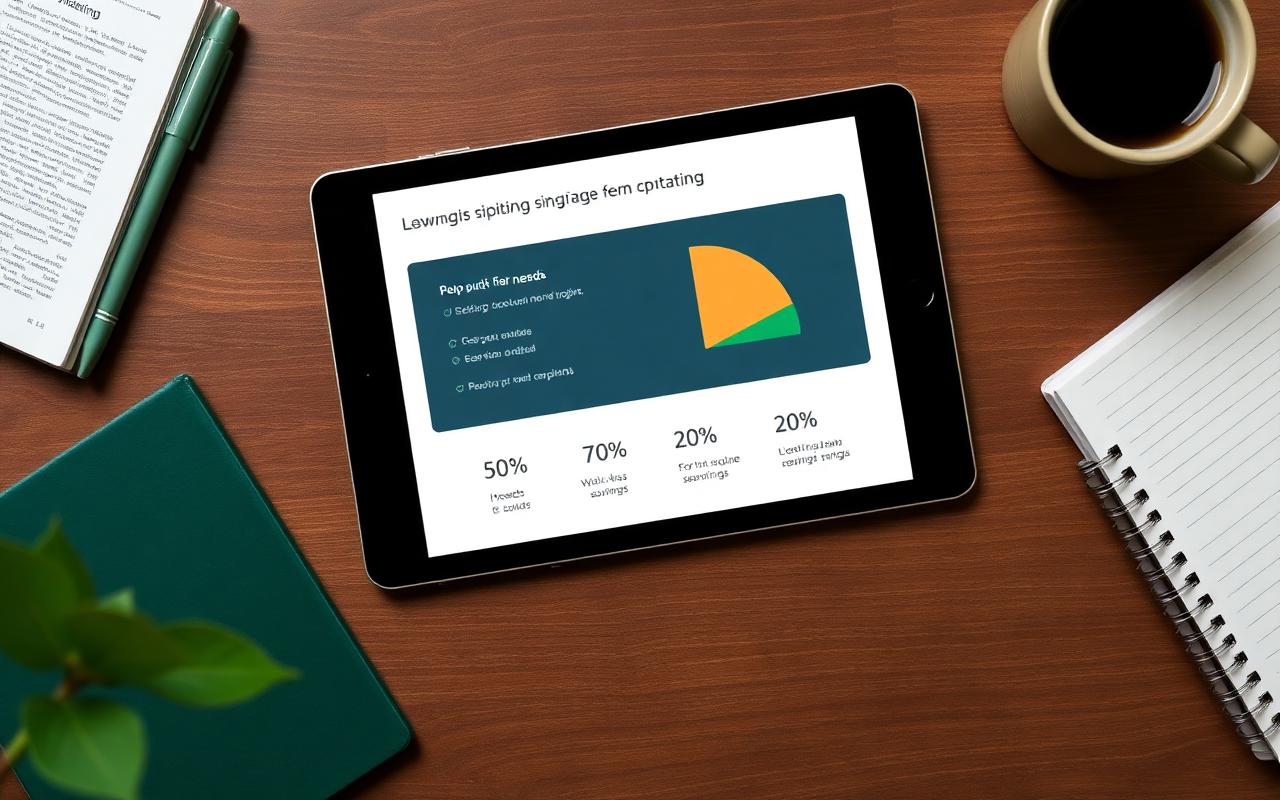
Lifestyle Creep: The Silent Reason High Earners Still Feel Broke
 By Marcus Cole7 min read
Updated January 25, 2026

Lifestyle creep is what happens when every raise you get quietly turns into a slightly better apartment, slightly nicer restaurants, and slightly more subscriptions. It is not a moral failure. It is one of the most predictable patterns in personal finance.
What lifestyle creep actually is
When your spending rises in lockstep with your income, leaving your savings rate flat — or worse, dropping.
Why it happens to almost everyone
Social comparison, hedonic adaptation, and the small dopamine hit of upgrades all push spending up alongside income.
How to lock in a raise
Before lifestyle adjusts, automate the new dollars into savings, retirement, or debt.
The one-time upgrade rule
When you get a raise, allow one upgrade (a nicer gym, better coffee, an experience). Send the rest of the increase to savings before it disappears.
Why being 'high income broke' is more common than you think
Spending expands to fill income unless you intentionally design otherwise.
Key facts
- Research on hedonic adaptation suggests we quickly normalize new income and possessions.
- Savings rate, not income, is the strongest controllable variable in long-term wealth building.
Step-by-step
1. Calculate your current savings rate
Savings ÷ gross income.
2. When you get a raise, automate the increase before it hits checking
Increase 401(k) or transfer to savings the same week.
3. Pick one intentional upgrade
Allow one new lifestyle change so it doesn't feel punishing.
4. Re-check your savings rate every 6 months
Drift is real.
Practical example
Someone earning $60,000 saves 10% ($6,000/year). After a raise to $75,000, they automate the entire $15,000 increase into savings and retirement before lifestyle adjusts. Six months later, their lifestyle is barely different, but their savings rate is dramatically higher.
Common mistakes to avoid
- Waiting to 'see what's left' instead of automating the raise.
- Upgrading housing immediately after every raise.
- Accumulating subscriptions one at a time until they become a serious monthly line.
Frequently asked questions
Is lifestyle creep always bad?
No — some lifestyle increase is healthy. The problem is unintentional creep that erases the entire raise.
How fast does lifestyle creep happen?
Often within 3–6 months of an income increase if no automation is in place.
How do I reverse lifestyle creep?
Gradually. Identify which upgrades brought lasting happiness and which were just defaults, then trim the defaults.
Keep reading
Money habits can change
Start with one small step. Read the next mindset guide and keep the momentum going.
Read more on mindsetSources:
- Bureau of Labor Statistics — Consumer Expenditure Surveys by income decile
- Investopedia — Lifestyle inflation (lifestyle creep) definition
- Bankrate — Saving rate and household savings benchmarks
About Marcus Cole
Marcus is a 34-year-old financial educator who paid off $47,000 in debt and now explains money in plain language. Nobody taught us this. Let me fix that.
Comments
Comments are moderated for quality and safety. Comment section coming soon.