Cash Stuffing: Viral TikTok Budget Method or Actual Financial Strategy?
 By Marcus Cole7 min read
Updated May 27, 2026
Cash stuffing is the old envelope system in a new TikTok wrapper. It works for some people in powerful ways and fails for others completely. The question is not whether it is trendy — it is whether the friction of cash actually helps your brain make better choices. Nobody taught us this. Let me fix that.
What cash stuffing actually is
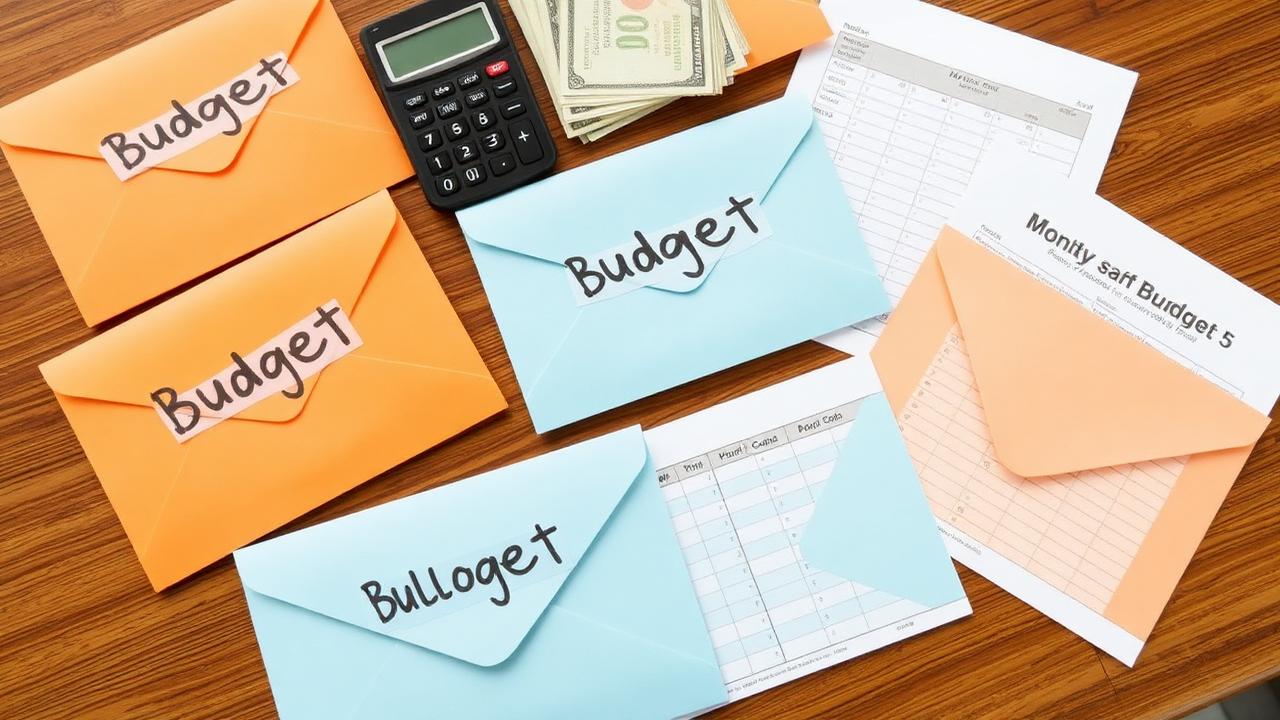
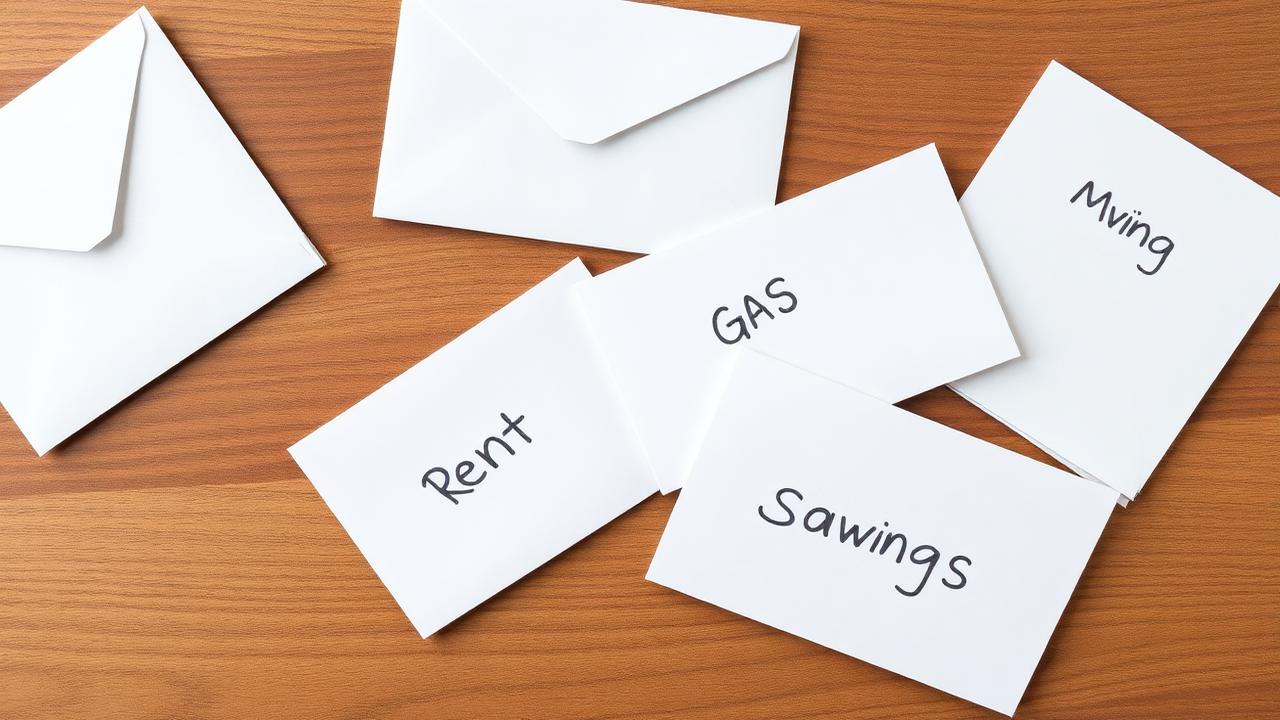
You withdraw cash on payday, sort it into labeled envelopes by category — groceries, gas, fun, etc. — and only spend what is in each envelope until the next payday.
Why it went viral
Watching cash physically slot into envelopes is satisfying, visual, and feels safer than tapping a card. For people who overspend by swiping, cash creates real friction.
Who it works well for
People who consistently overspend on variable categories like food, fun, or shopping, and who pay in person for most of their week.
Who should skip it
People who pay most bills online, travel for work, or feel unsafe carrying cash. The method gets clunky fast when your real life is digital.
The digital version that still works
Use sub-accounts or budgeting categories as 'digital envelopes' — same logic, no physical cash. The point is hard category limits, not the paper.
Key facts
- Cash stuffing is a modern version of envelope budgeting.
- Friction is the actual mechanism, not the cash itself.
- Digital sub-accounts can replicate the same behavior.
Step-by-step
1. List your variable spending categories
Groceries, gas, eating out, fun, personal.
2. Set a realistic amount per category
Based on your last 2 months of spending.
3. Pick cash or digital envelopes
Whichever you will actually use weekly.
4. Pull cash or fund sub-accounts on payday
Same day, same time, every cycle.
5. Stop spending in a category when it hits zero
That is the entire system.
Practical example
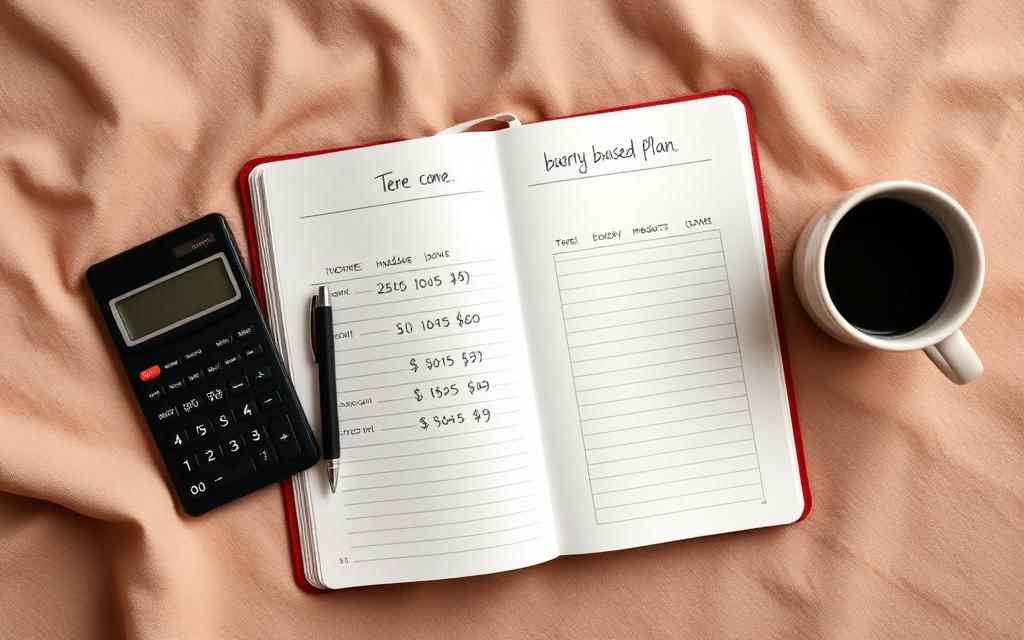
A monthly cash stuffing setup: groceries $500, gas $180, eating out $120, fun $100, personal care $60. Each envelope gets funded on the 1st. When the eating-out envelope hits zero on the 22nd, you cook for the rest of the month — and notice the pattern next cycle.
Common mistakes to avoid
- Carrying around envelopes of cash you do not feel safe holding.
- Refilling envelopes mid-month from savings.
- Using cash stuffing for bills that have to be paid online.
- Treating the method as decoration instead of a hard limit.
Frequently asked questions
Is cash stuffing safe?
It depends on where you live and how you store it. If it makes you anxious, switch to digital envelopes.
How is this different from envelope budgeting?
It is the same idea. Cash stuffing is the social-media-friendly version.
Can I cash stuff while paying off debt?
Yes. Use envelopes for variable spending; keep debt payments automated.
Keep reading
One practical money lesson every week
Join the Money With Marcus newsletter for short, useful weekly guides. No spam, ever.
Join the newsletterSources:
About Marcus Cole
Marcus is a 34-year-old financial educator who paid off $47,000 in debt and now explains money in plain language. Nobody taught us this. Let me fix that.
Comments
Comments are moderated for quality and safety. Comment section coming soon.