Chime vs. Ally vs. Marcus: Best Online Banks for Millennials
 By Marcus Cole10 min read
Updated September 30, 2026
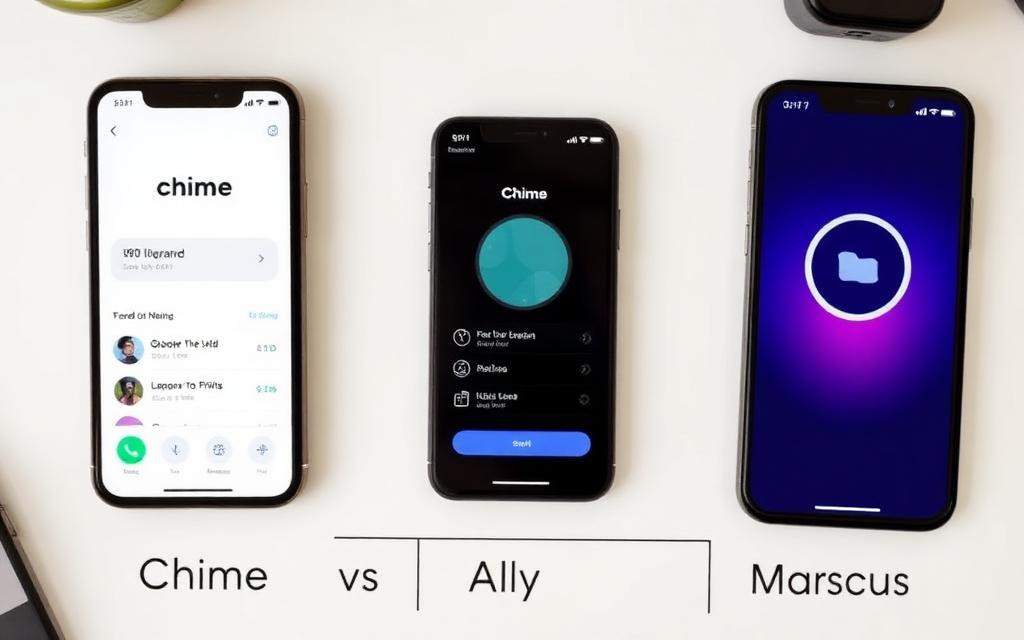
Chime, Ally, and Marcus by Goldman Sachs all show up on 'best online banks' lists for millennials — but they're aimed at different goals. Nobody taught us this. Let me fix that.
Chime in plain language
Chime is a fintech that partners with chartered banks to offer fee-light checking and savings, with features like early direct deposit and a strong mobile-first experience. It's often used by people who want a simple primary spending account.
Ally in plain language
Ally is a chartered online bank with a broader product mix — checking, savings, certificates of deposit, brokerage, and loans. It's often used by people who want a full-service online bank in one place.
Marcus in plain language
Marcus by Goldman Sachs focuses on savings products like high-yield savings and certificates of deposit, plus personal loans. It tends to fit savers who want to park cash with a well-known brand.
Key comparison points
Choosing depends on what you actually need.
Account types
Chime is checking-and-savings heavy; Ally is full-service; Marcus is savings-focused.
Fees
All three lean toward limited everyday fees, but specifics differ by product.
Digital experience
Chime emphasizes mobile-first design; Ally has both strong web and mobile; Marcus is product-driven.
Savings features
Ally and Marcus both compete on savings; Chime offers savings features tied to its spending account.
Customer fit
Spending-focused users may prefer Chime; full-service users may prefer Ally; savers may prefer Marcus.
How to actually choose
Start with what you want this bank to do — daily spending, full-service banking, or pure savings — and then compare on fees, features, and how the apps feel.
Key facts
- Chime, Ally, and Marcus serve different primary use cases.
- Some are chartered banks; others are fintechs partnered with banks.
- Specific features, rates, and terms change — confirm before opening an account.
Step-by-step
1. Identify the job for this account
Spending, savings, or full-service banking.
2. Confirm structure and insurance
Check who actually holds the deposits and how they're insured.
3. Compare core features
Direct deposit timing, ATM access, transfers, and supported products.
4. Test the app
Spend time in each app before committing.
5. Migrate carefully
Move direct deposits and bills before closing other accounts.
Practical example
A millennial uses Chime as a daily spending account for tap-to-pay convenience, Ally as a full-service checking and brokerage hub, and Marcus to park an emergency fund. Each account does one job clearly.
Common mistakes to avoid
- Trying to make one online bank do every job for everyone.
- Ignoring how deposits are structured and insured.
- Chasing short-term promotions instead of long-term fit.
- Closing legacy accounts too quickly during a switch.
Frequently asked questions
Is Chime an actual bank?
Chime is a fintech company that partners with chartered banks to provide its banking services.
Is Ally good for beginners?
Many beginners find Ally's full-service design straightforward, though it depends on personal preference.
Is Marcus only for savings?
Marcus is best known for savings products and personal loans, though its lineup can change over time.
Keep reading
Understand the money system better
Explore more credit and banking guides from Marcus and take control of your score.
More credit guidesSources:
About Marcus Cole
Marcus is a 34-year-old financial educator who paid off $47,000 in debt and now explains money in plain language. Nobody taught us this. Let me fix that.
Comments
Comments are moderated for quality and safety. Comment section coming soon.